Prompt Engineer
This portfolio demonstrates end-to-end prompt engineering workflow: writing prompts, generating image batches, reviewing every output against defined quality criteria, selecting the best result, and documenting issues with actionable feedback.
Luxury Vacation Editorial — All 80 Images Rejected
Sometimes no output meets quality standards. This case study demonstrates the ability to reject an entire batch when systematic issues prevent any image from meeting the brief — and to document actionable feedback for the next iteration.
Prompt

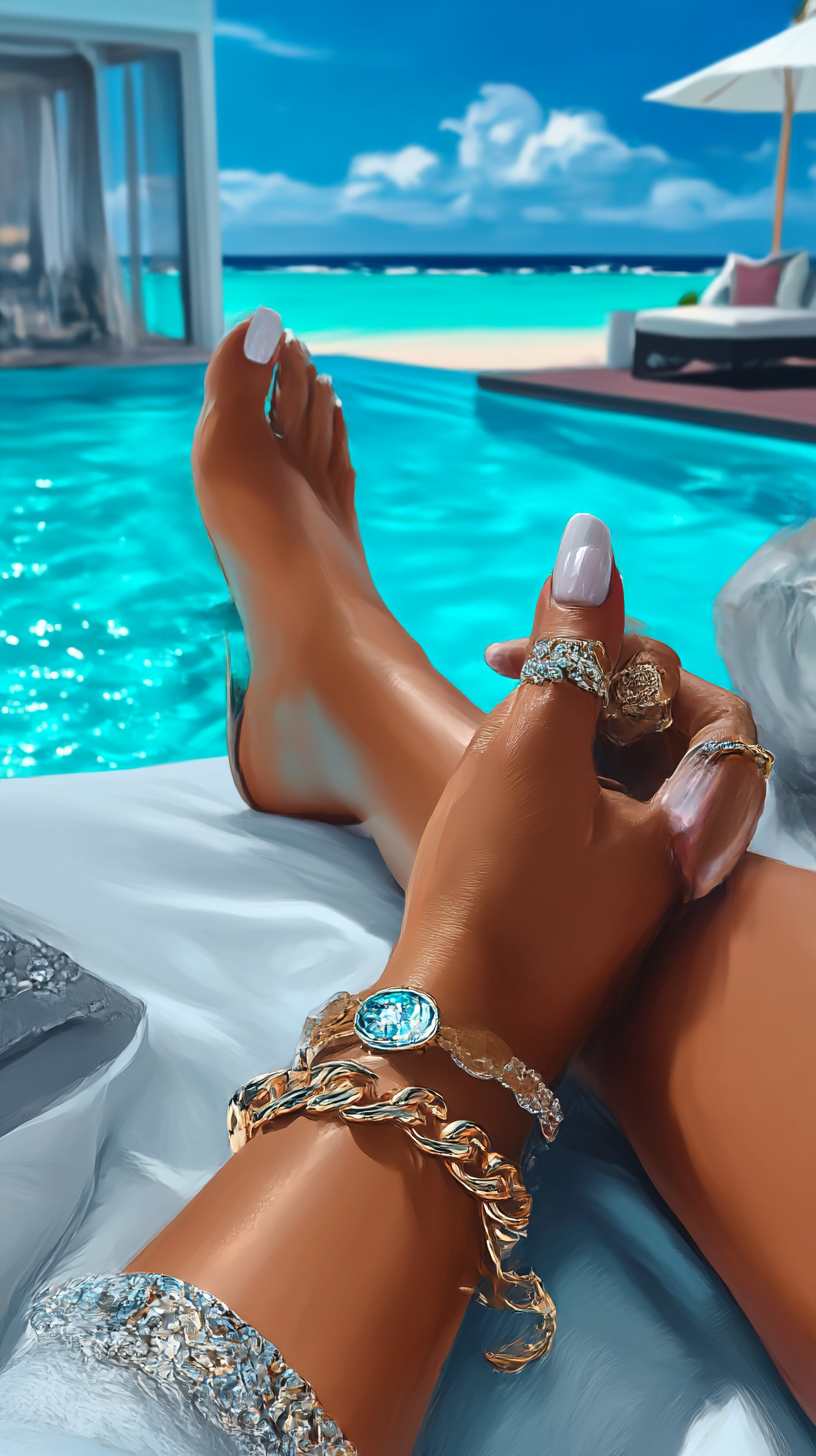
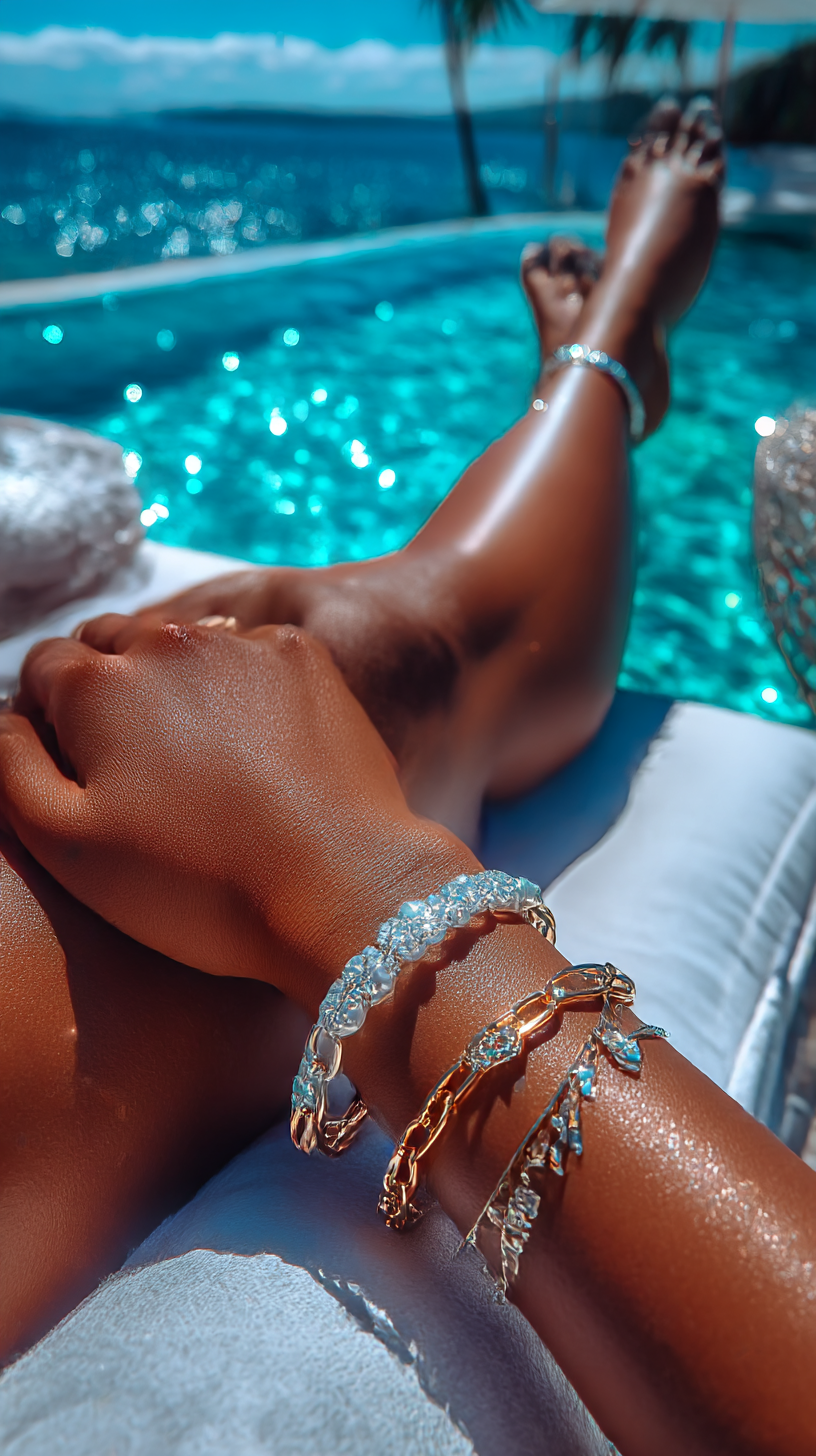


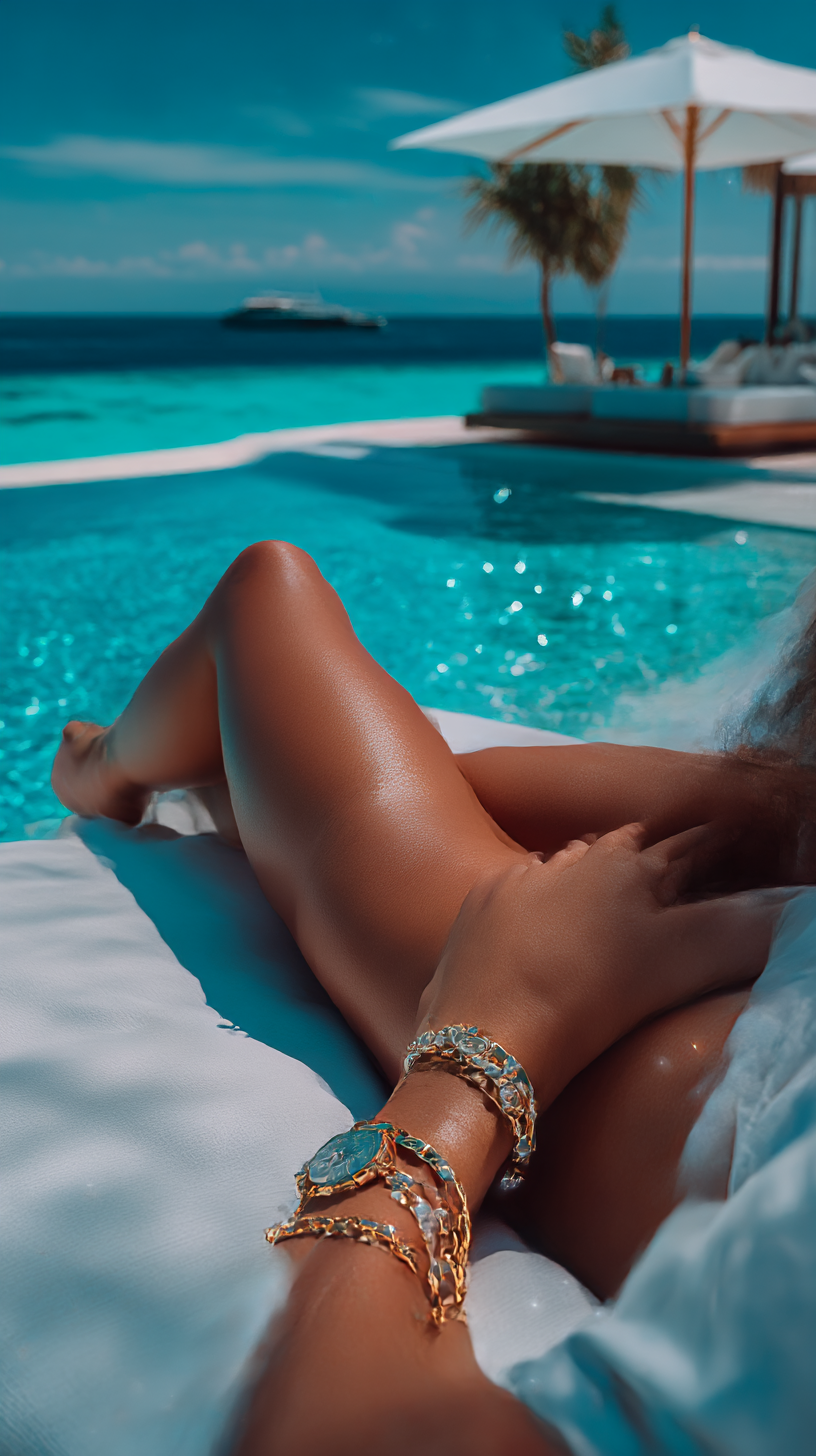


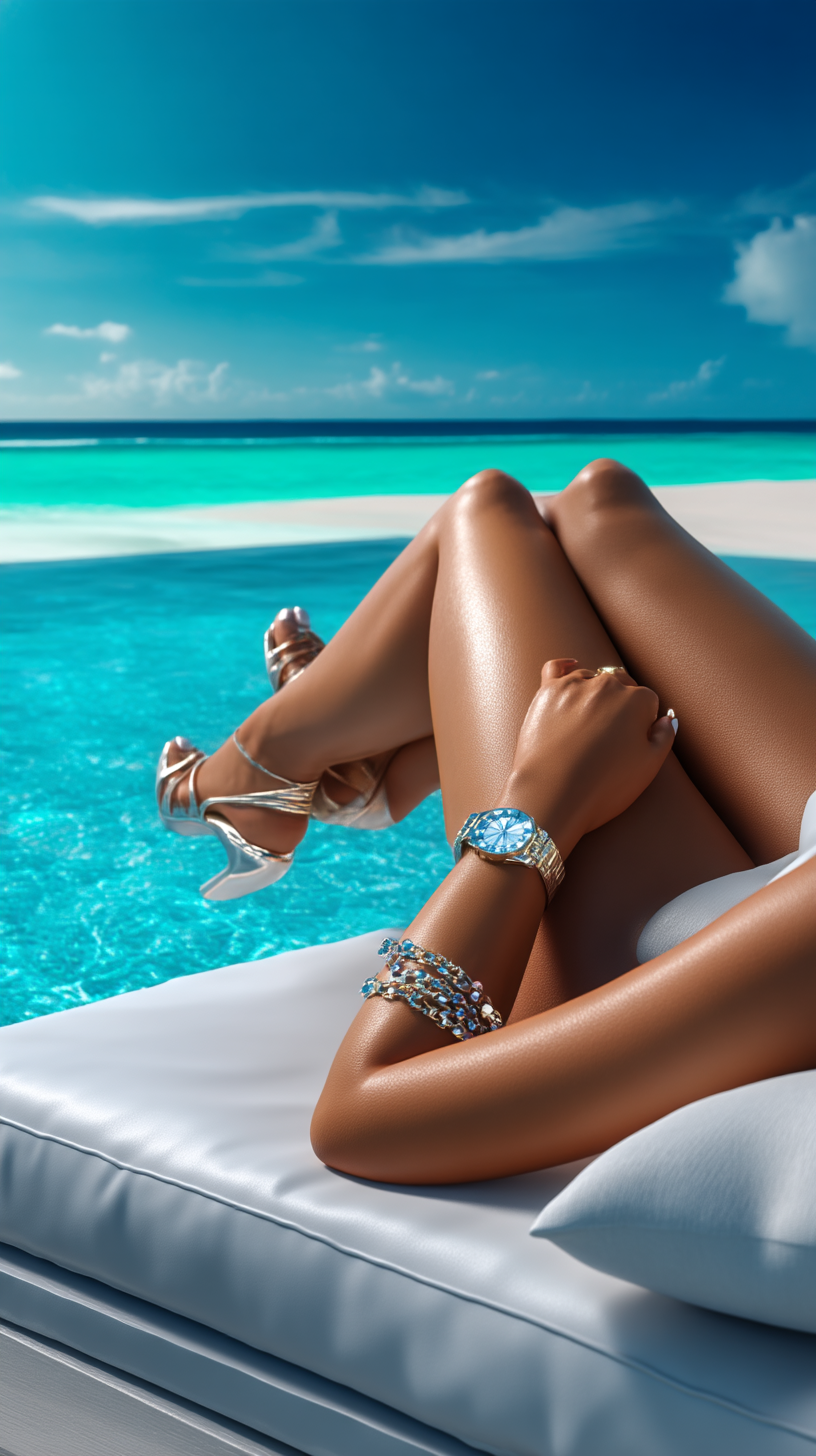
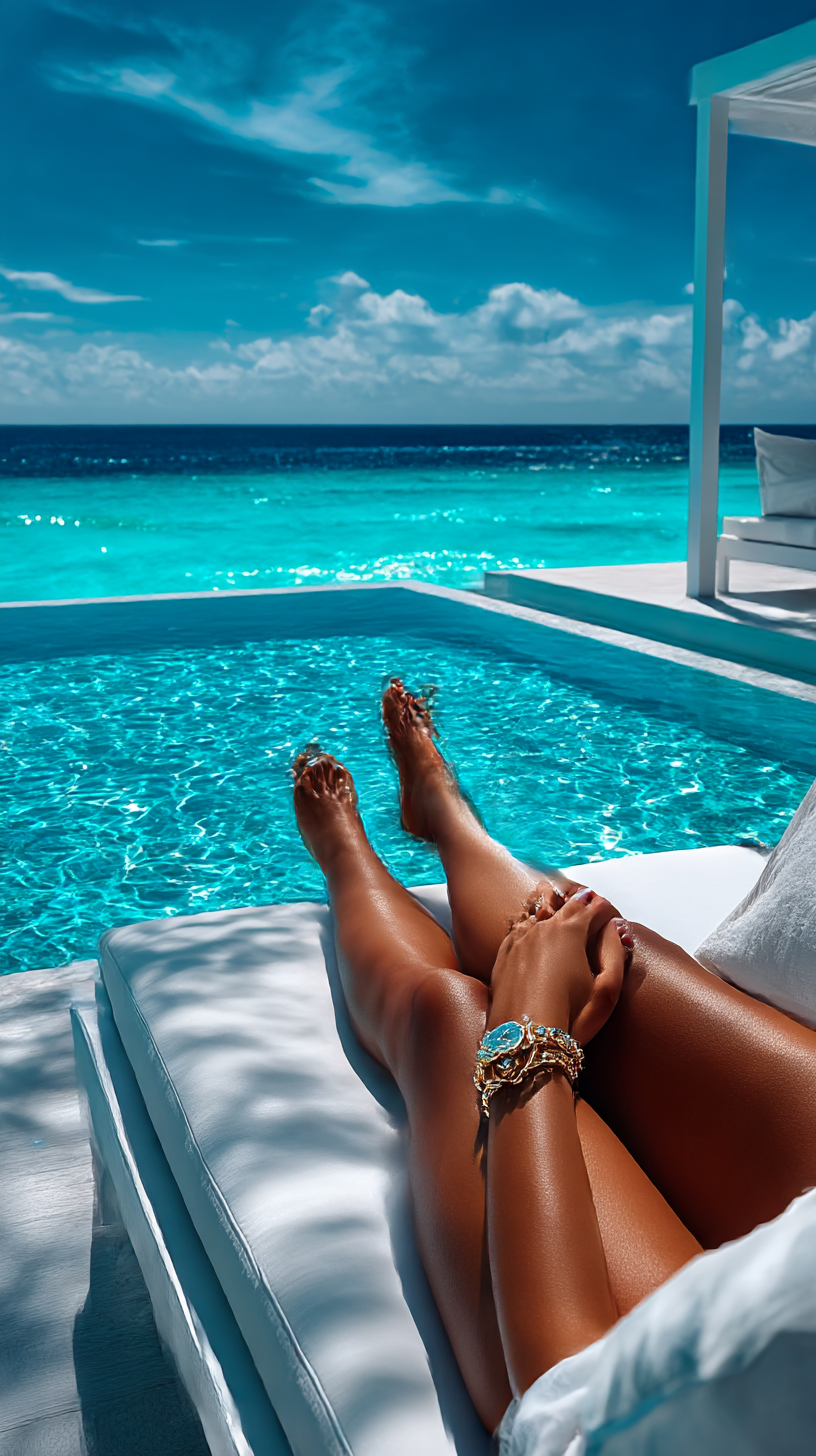
No image selected — full re-generation required
Systematic Issues Found Across All 80 Images
Recommended Next Steps
Photorealistic Equestrian Editorial
A complex photorealistic prompt tested across 3 batches (12 images). Each image reviewed for composition, face detail, text accuracy, anatomy, lighting, and prompt adherence.
Prompt
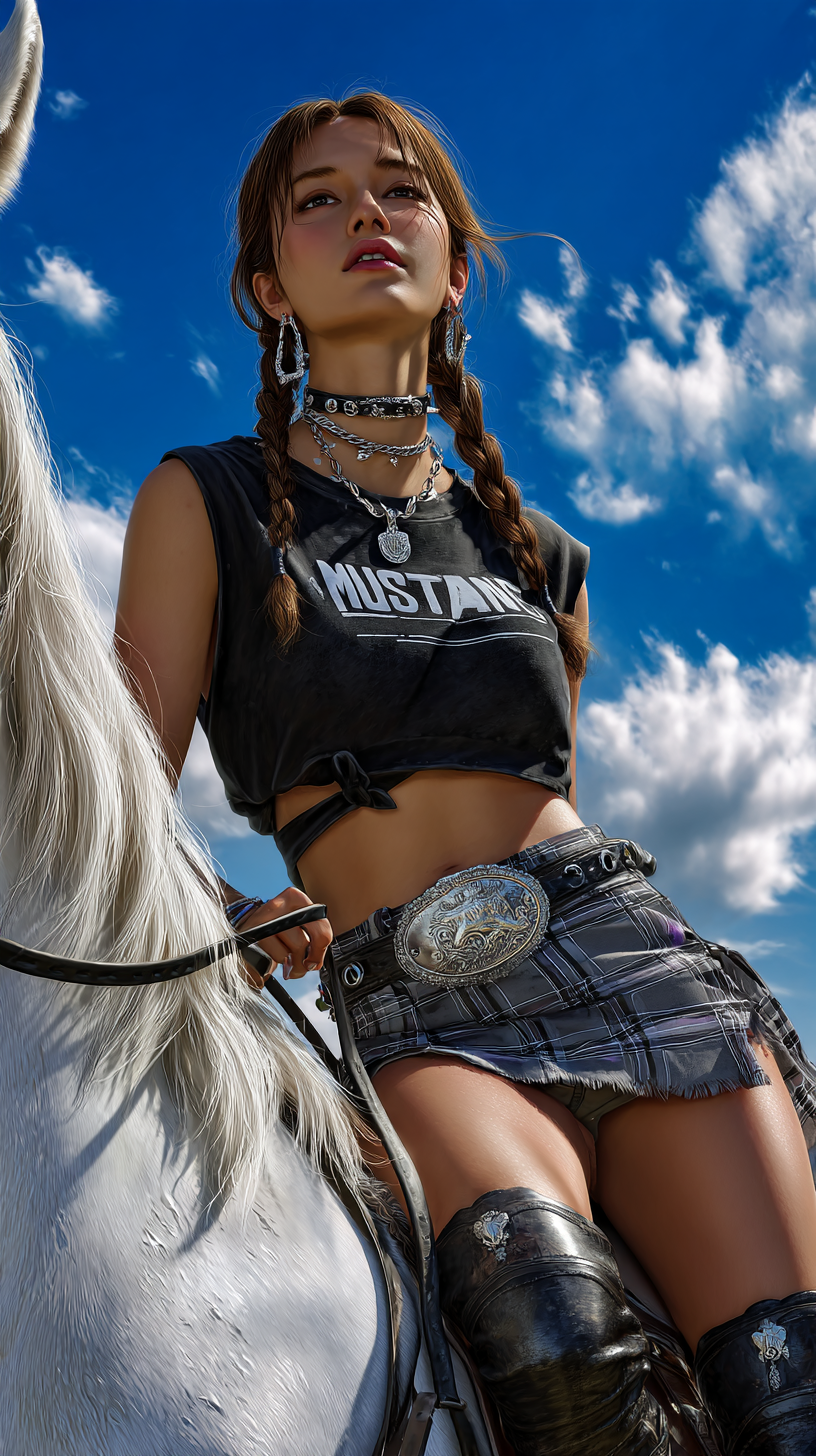
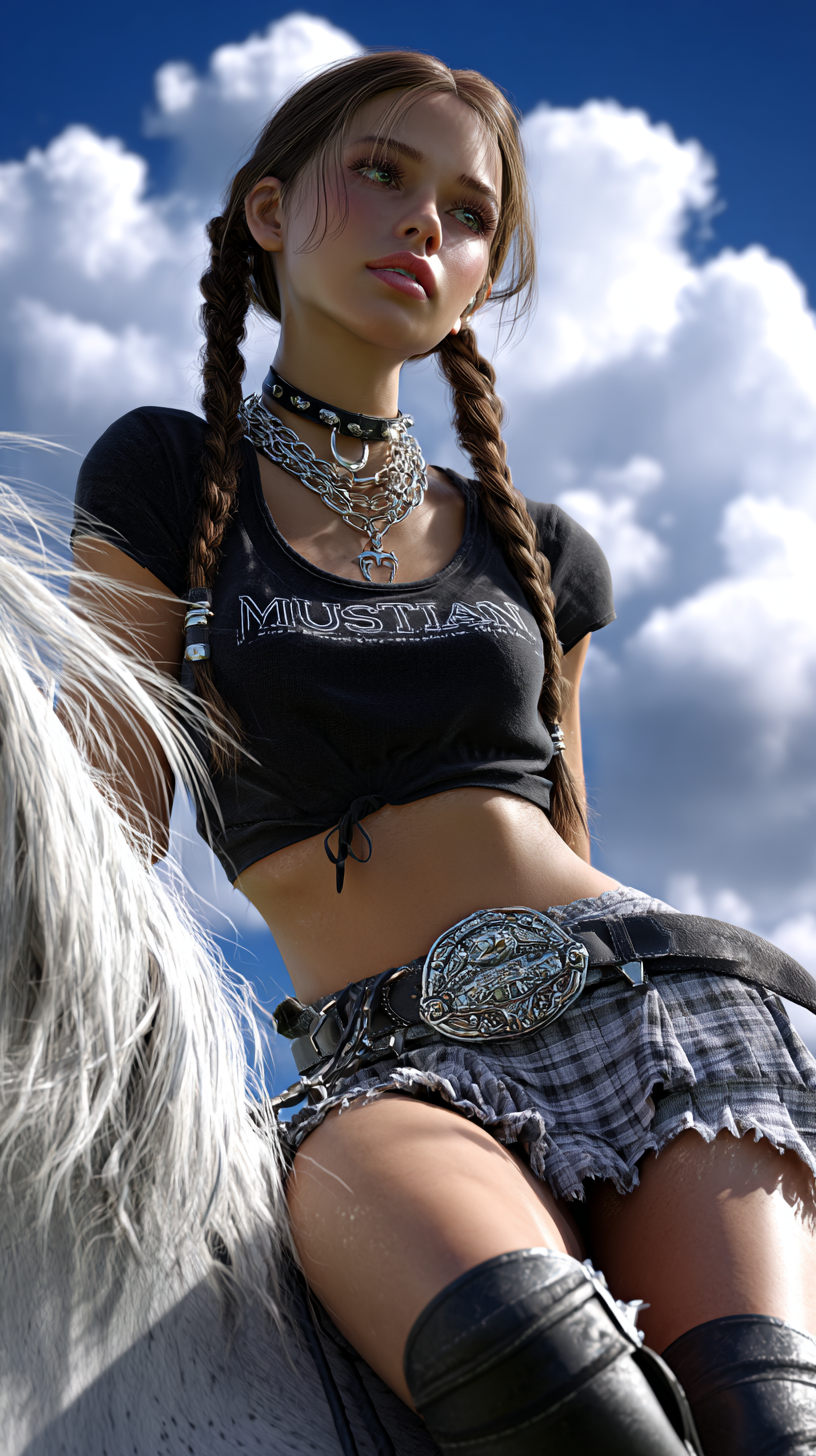
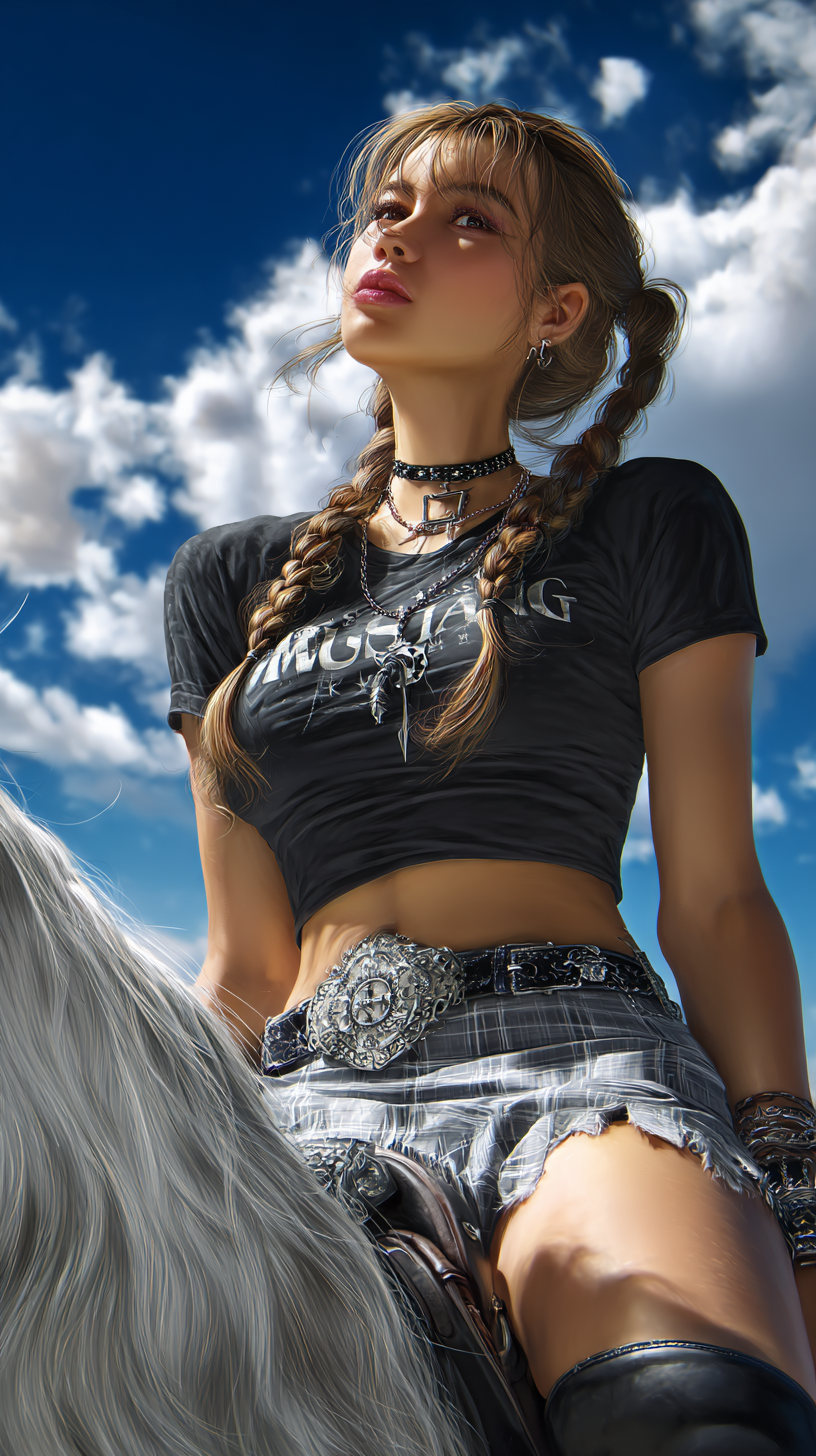
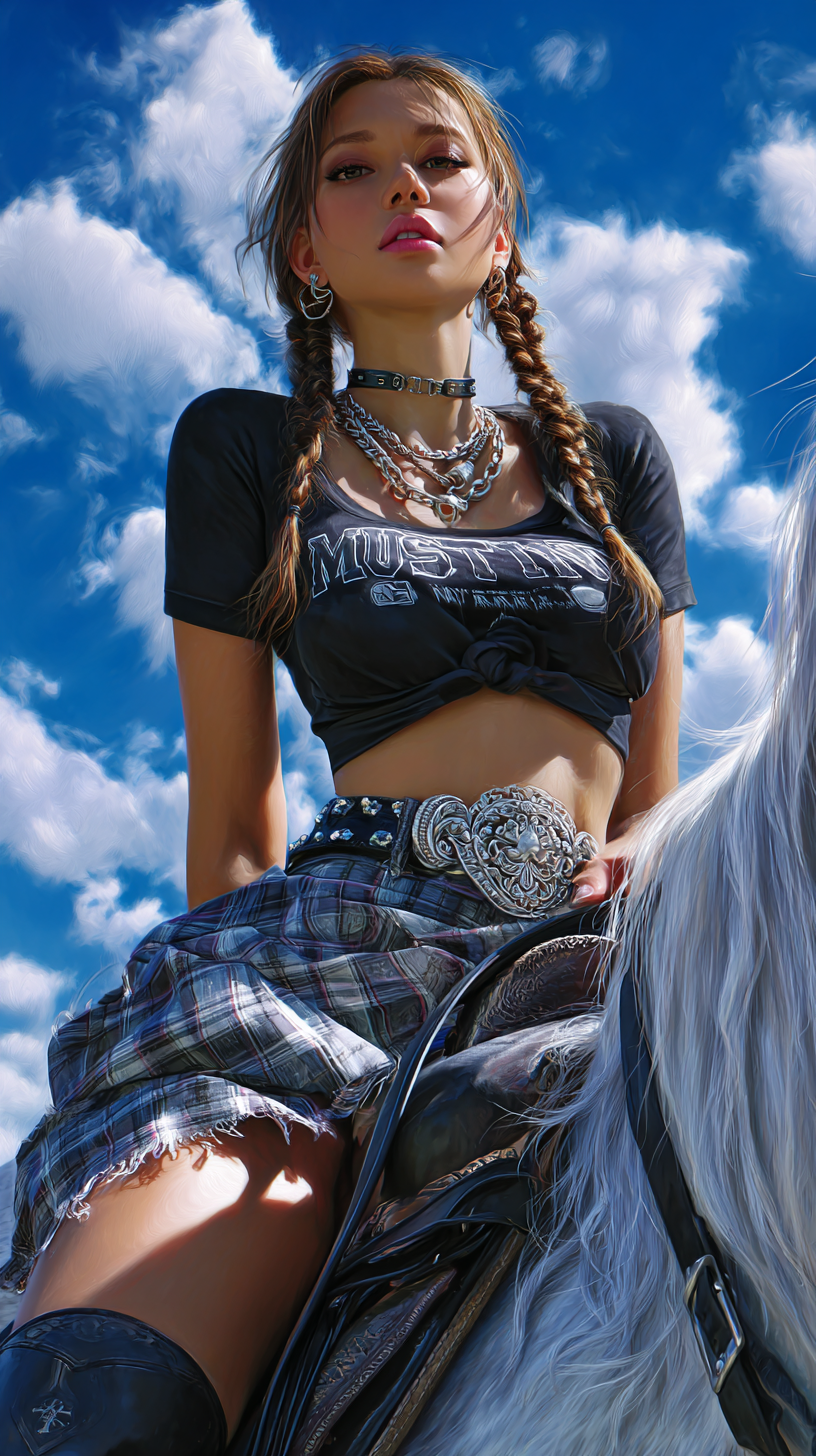
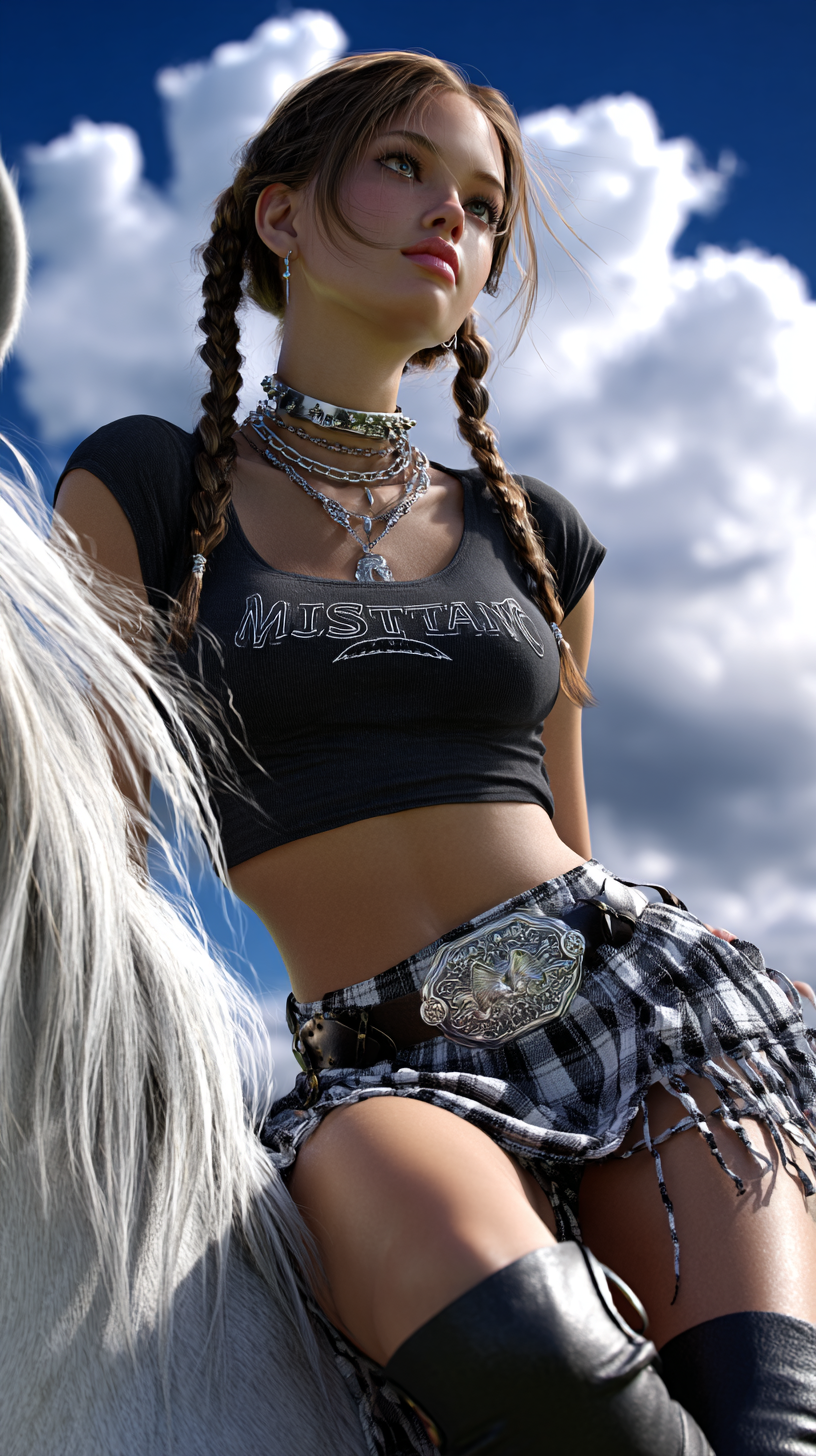
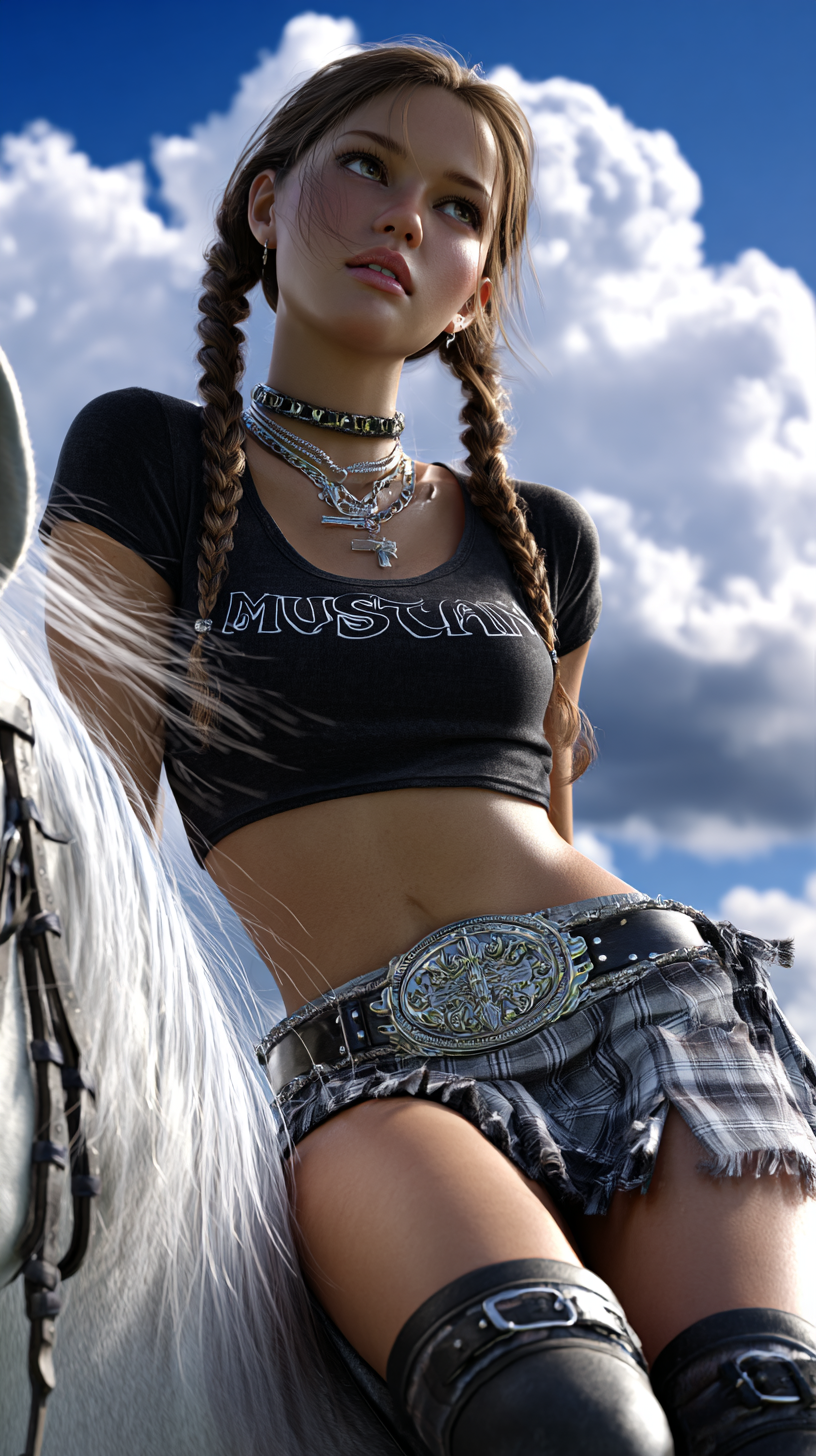
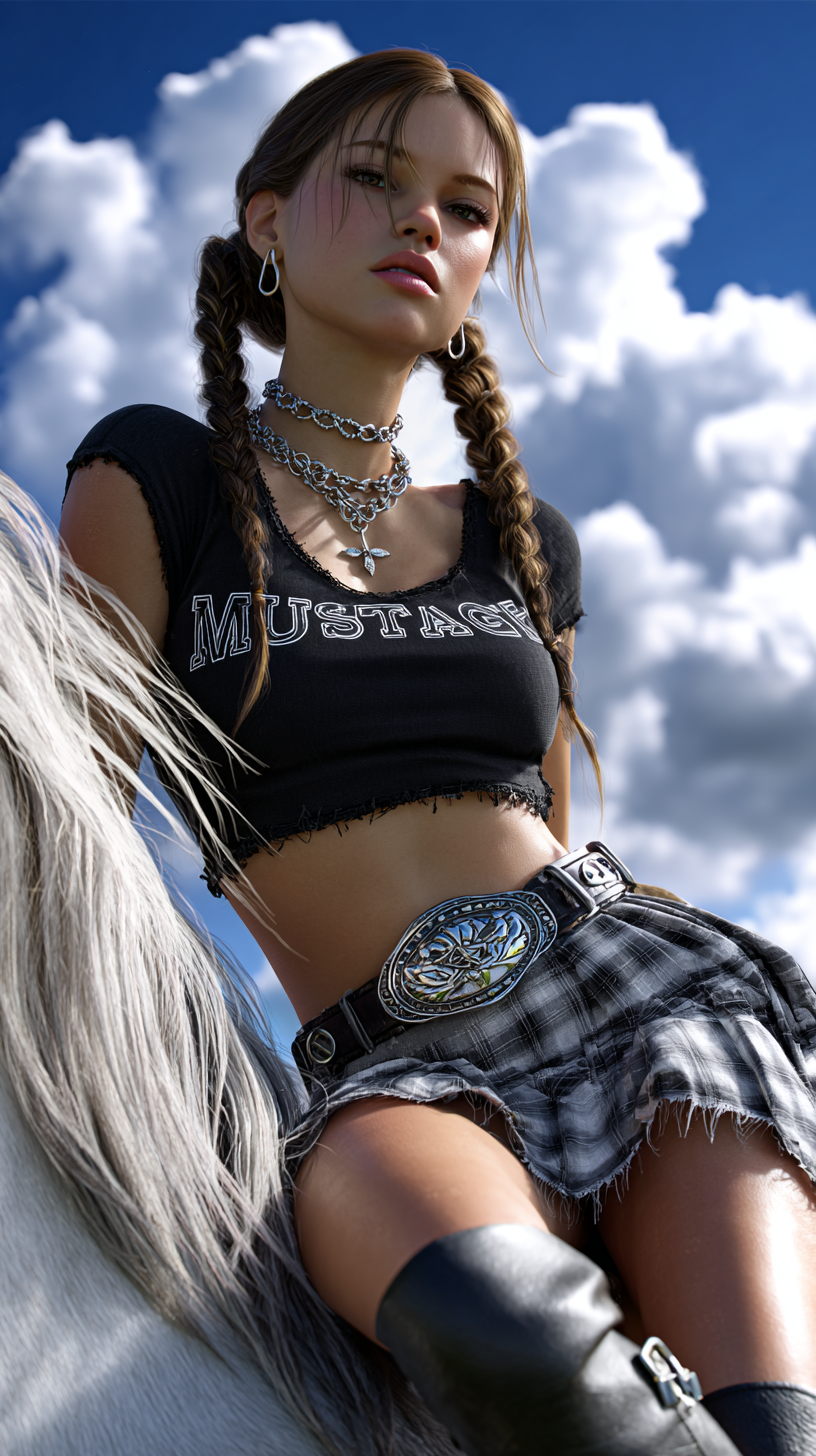
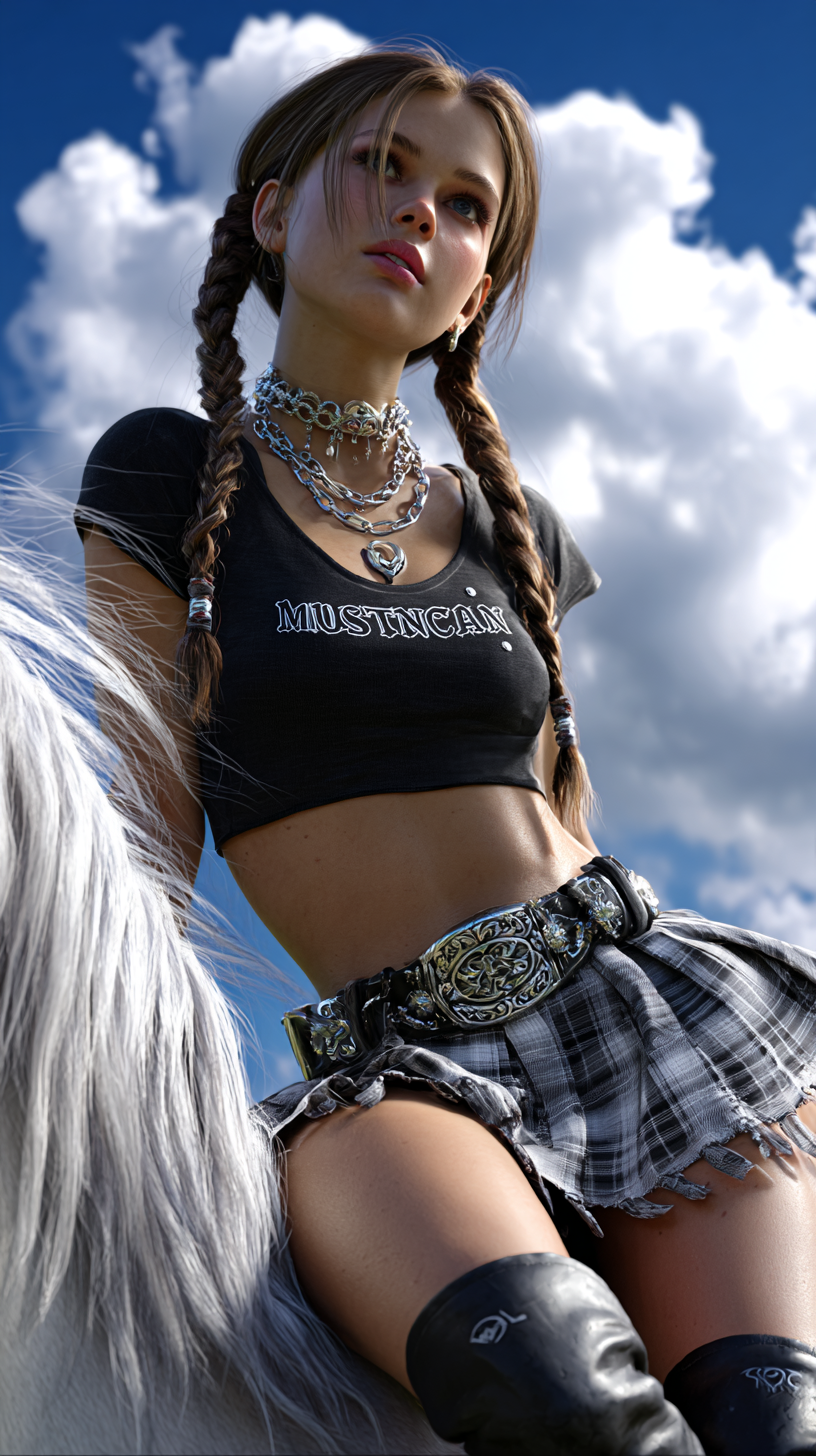
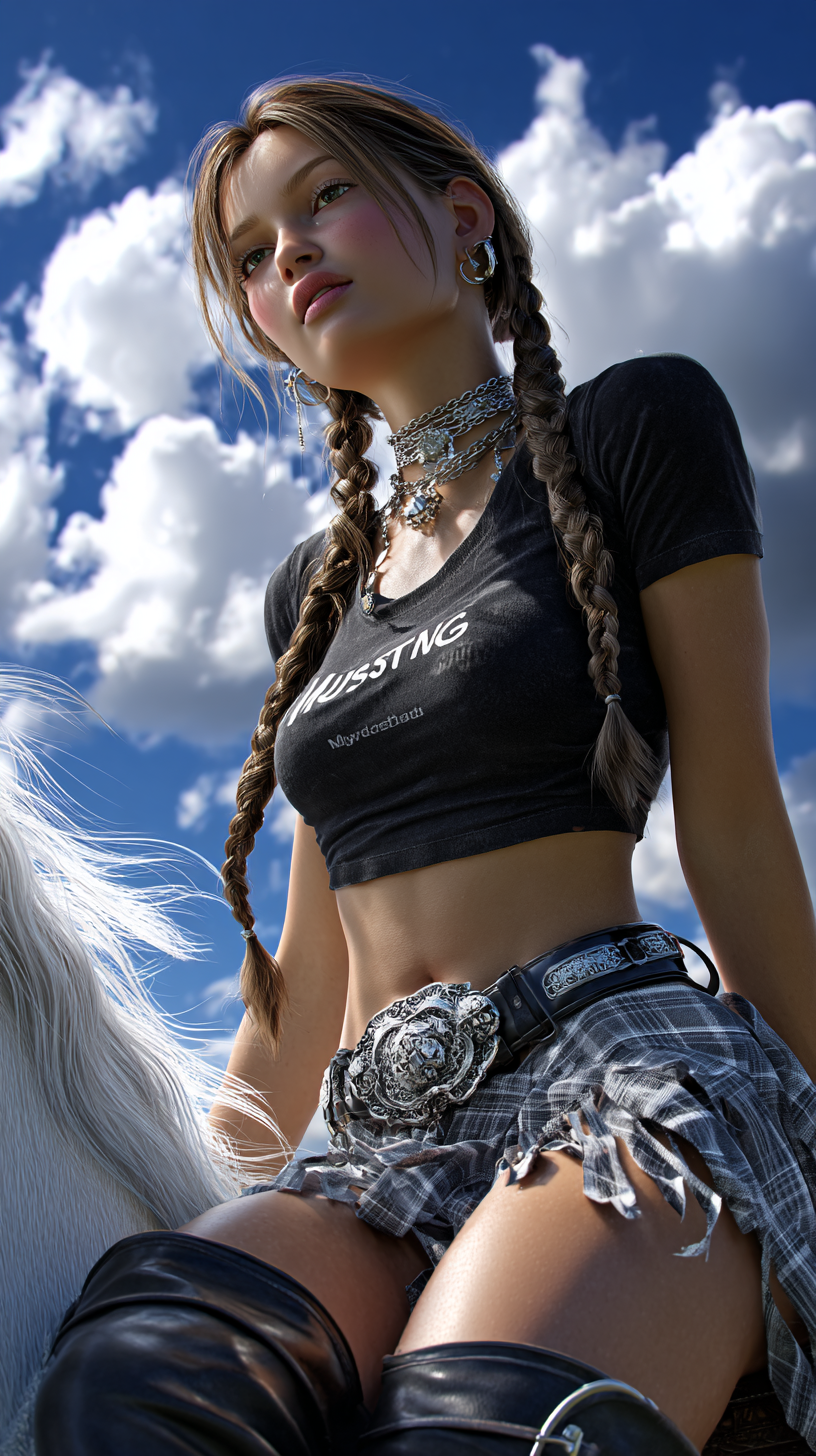
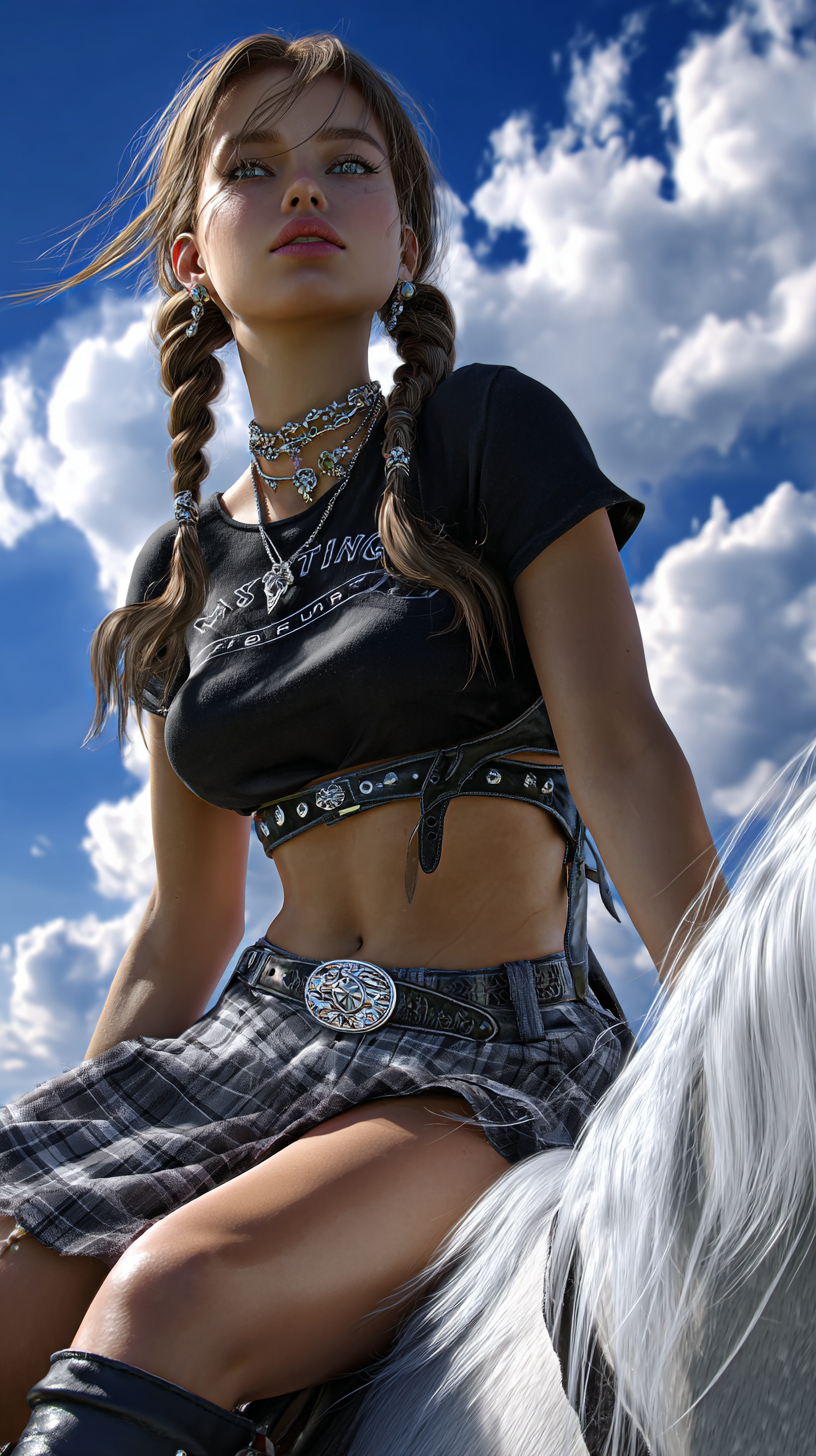
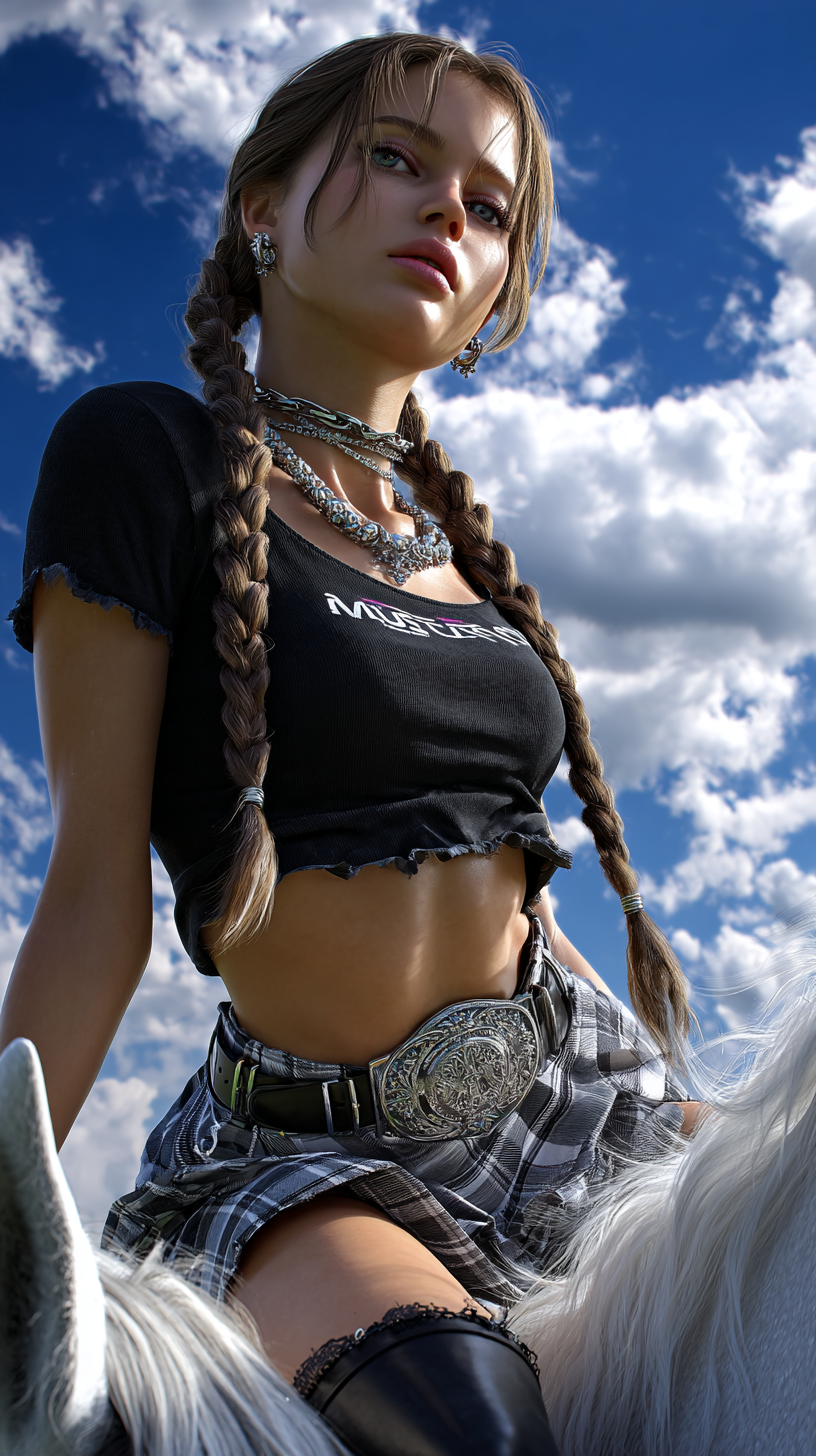
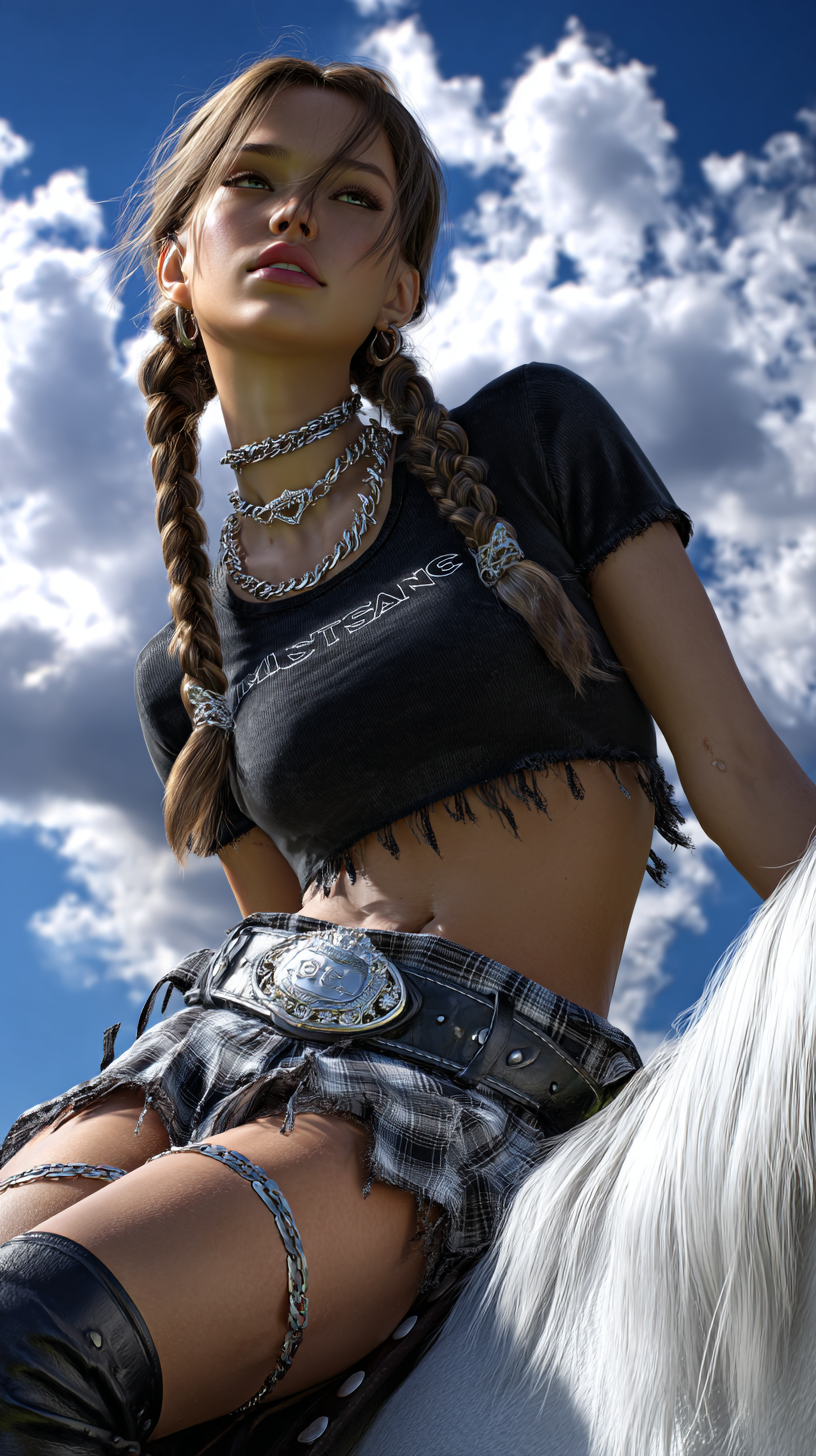
Winner: B-2
Image B-2 ★ Selected
Selected as the best output from 12 candidates across 3 batches. This image achieves the strongest balance across all criteria — combining the most photorealistic face with acceptable text legibility and strong composition.
While A-3 had better backlighting and B-1 had clearer text, B-2 delivers the most convincing photorealism, which is the primary quality goal for this editorial brief.
- Low-angle composition with sense of power and height
- Most photorealistic face across all 12 outputs
- "MUSTANG" text readable (partially distorted — acceptable)
- Natural anatomy with no articulation errors
- Earrings, choker, belt buckle, braids all visible
- White horse with flowing mane clearly in frame
- Dramatic blue sky with cinematic cloud composition
- High detail on skin texture, fabric, and horse fur
Dynamic Fruit Explosion — iPhone Wallpaper
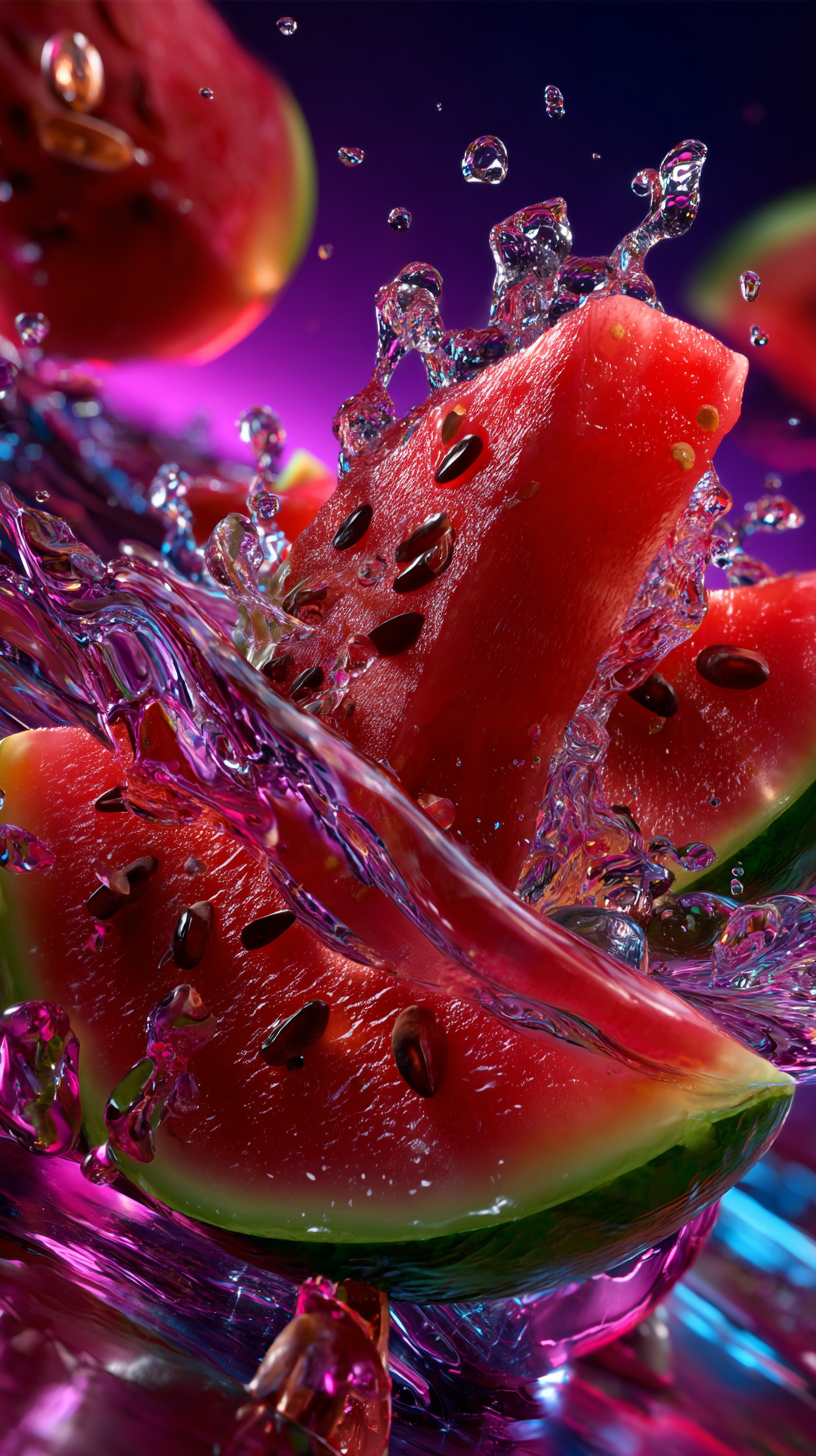
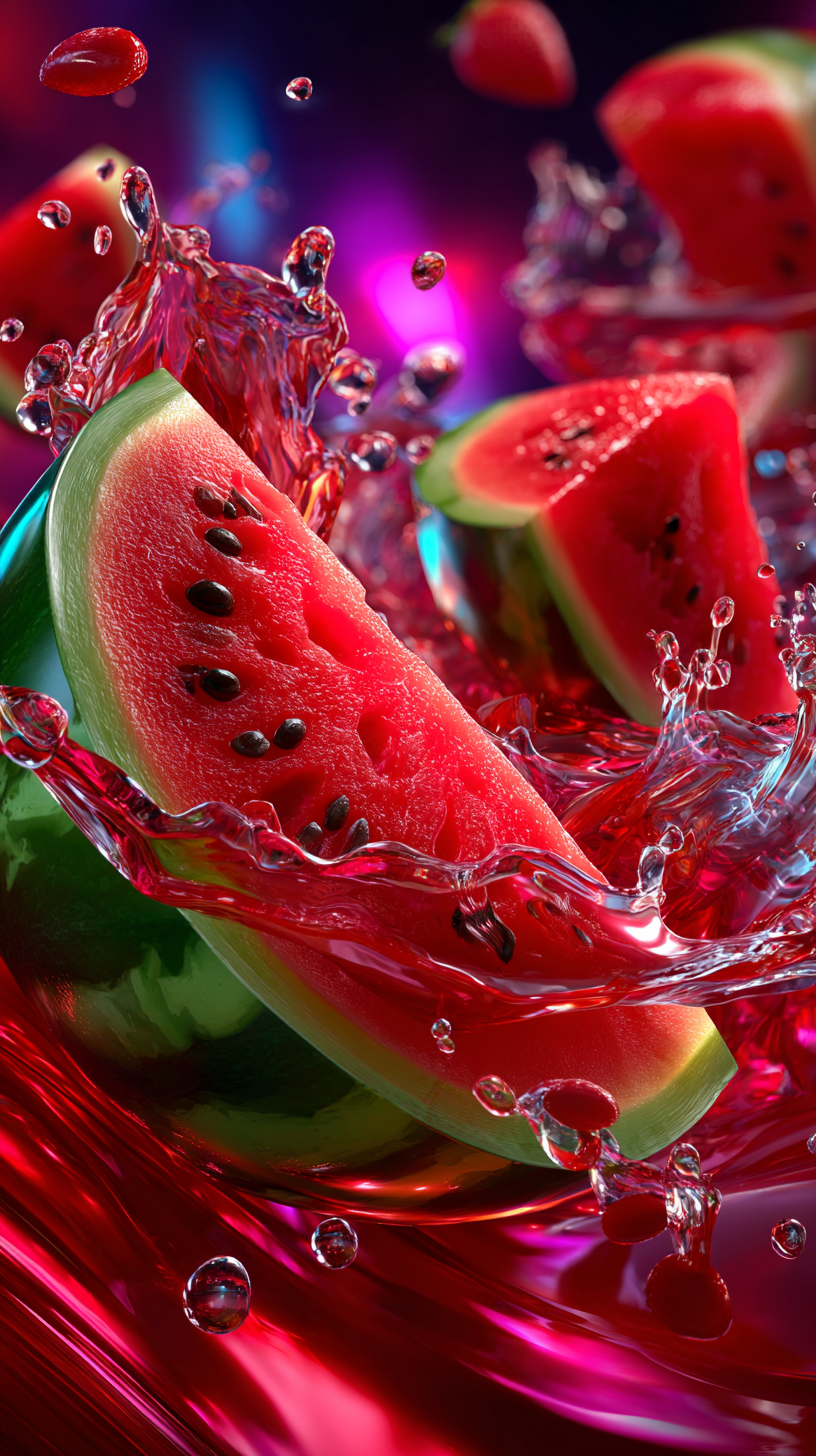
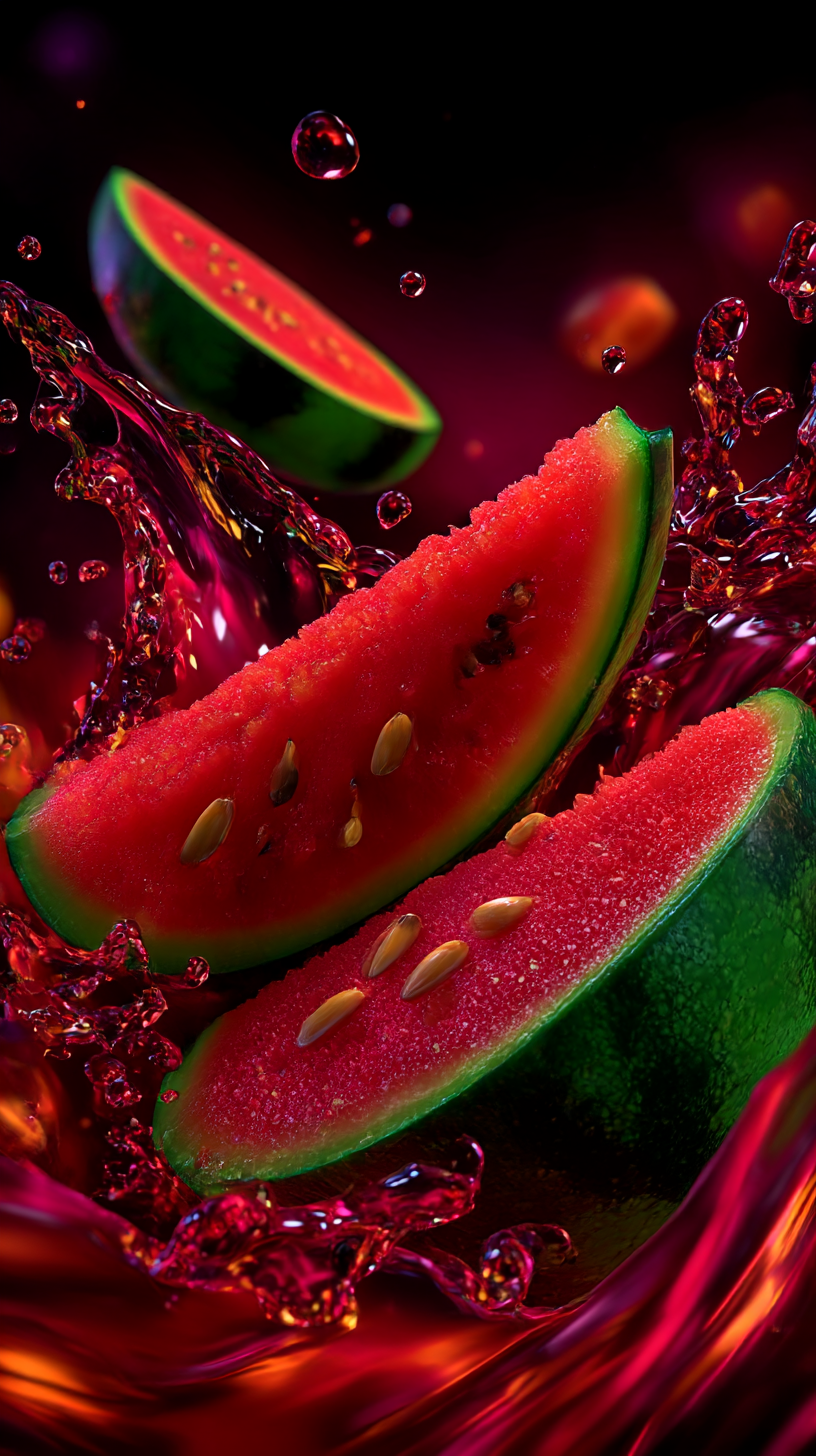
A product-style wallpaper prompt tested across 9 batches (36 images). Representative outputs shown with quality assessment.
Prompt
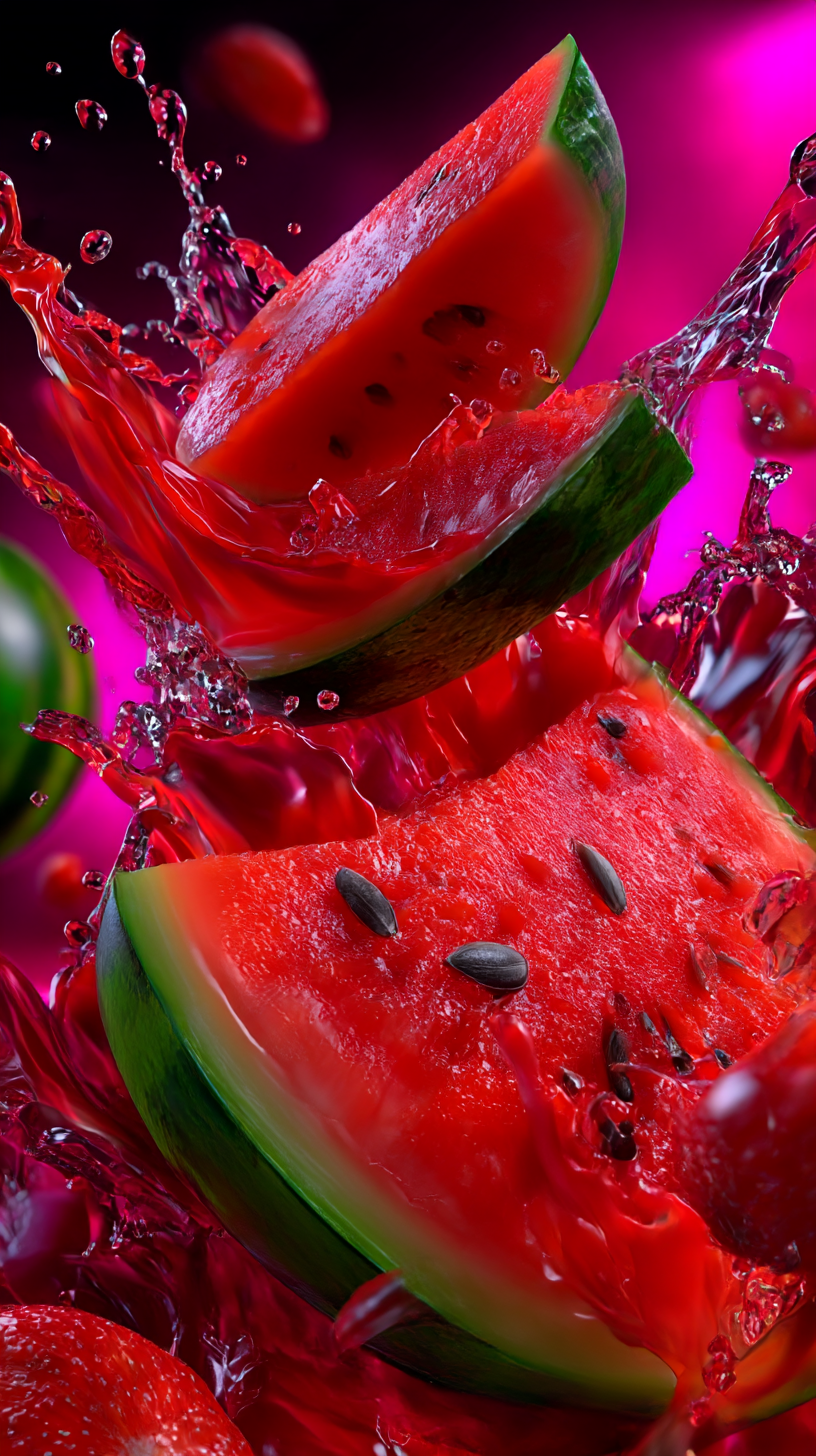
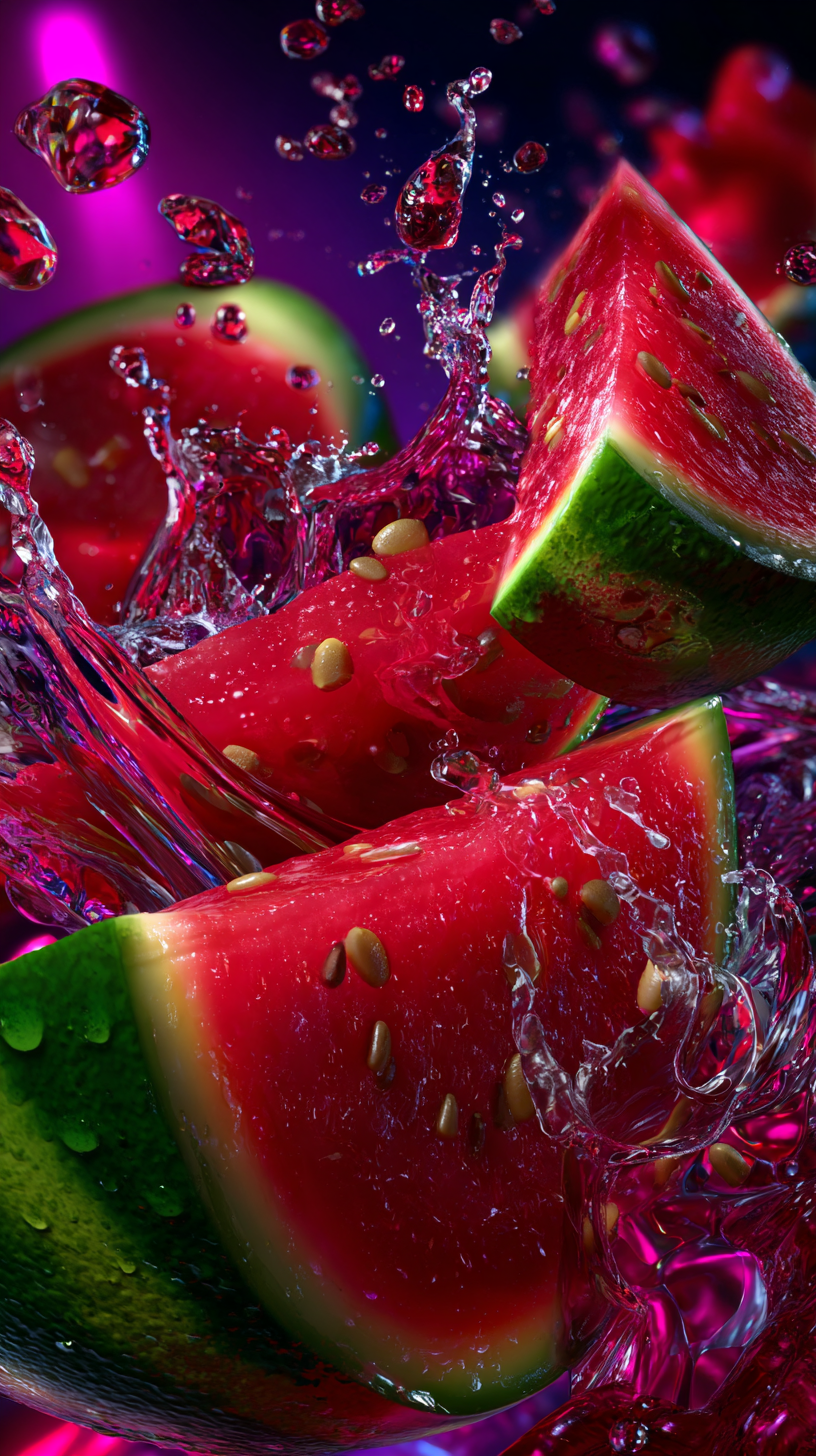
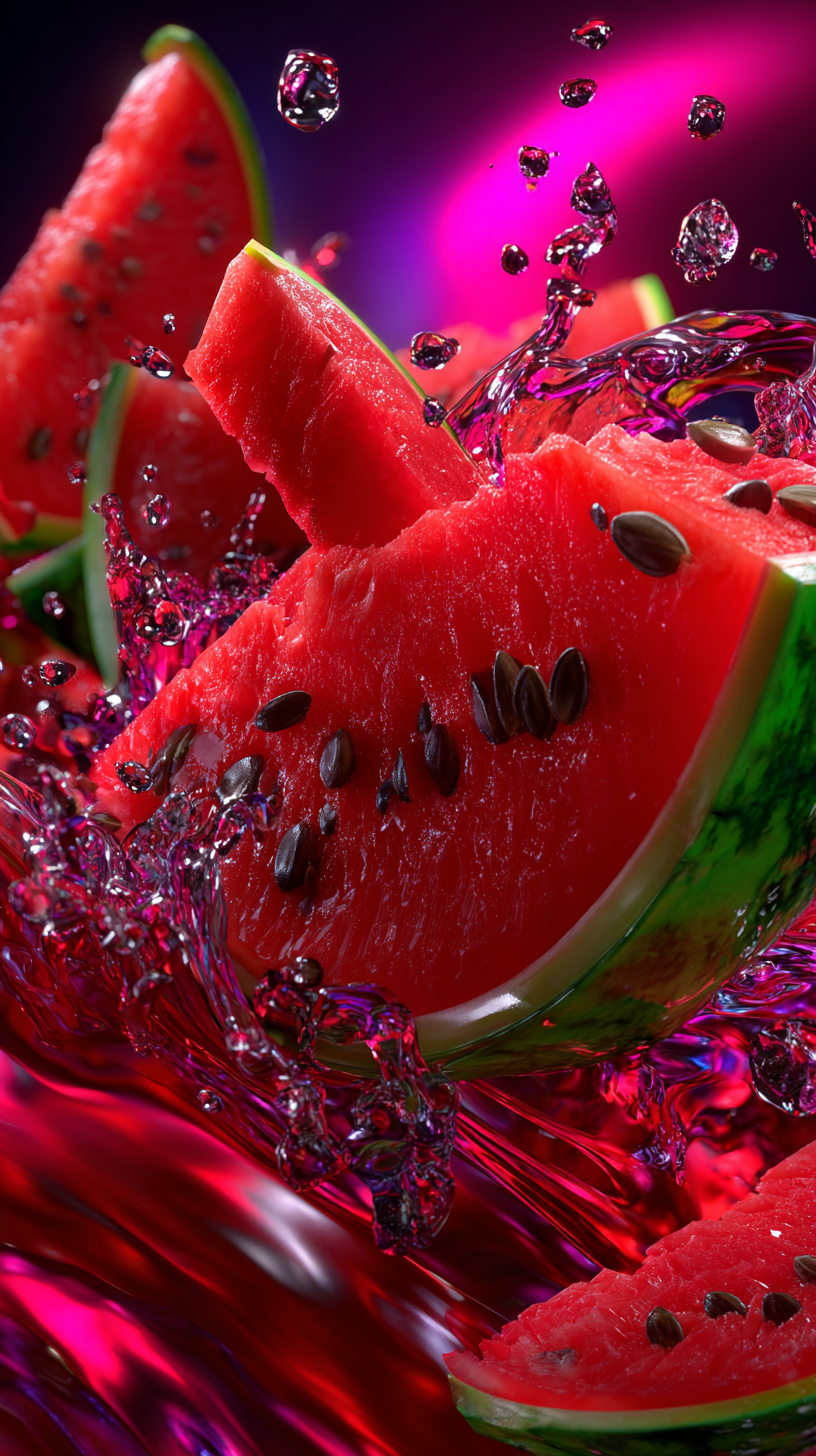
Winner: Batch 5
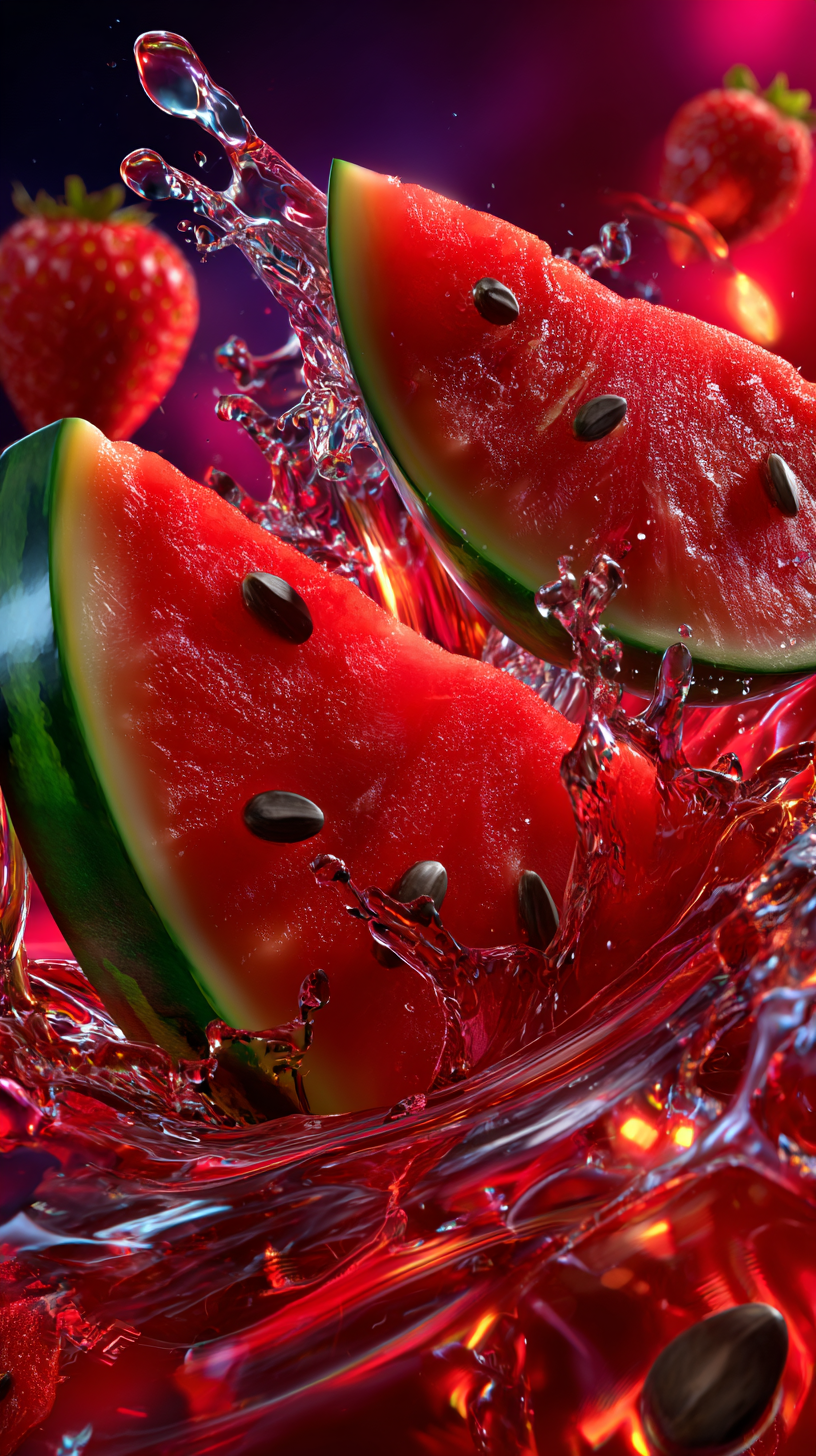
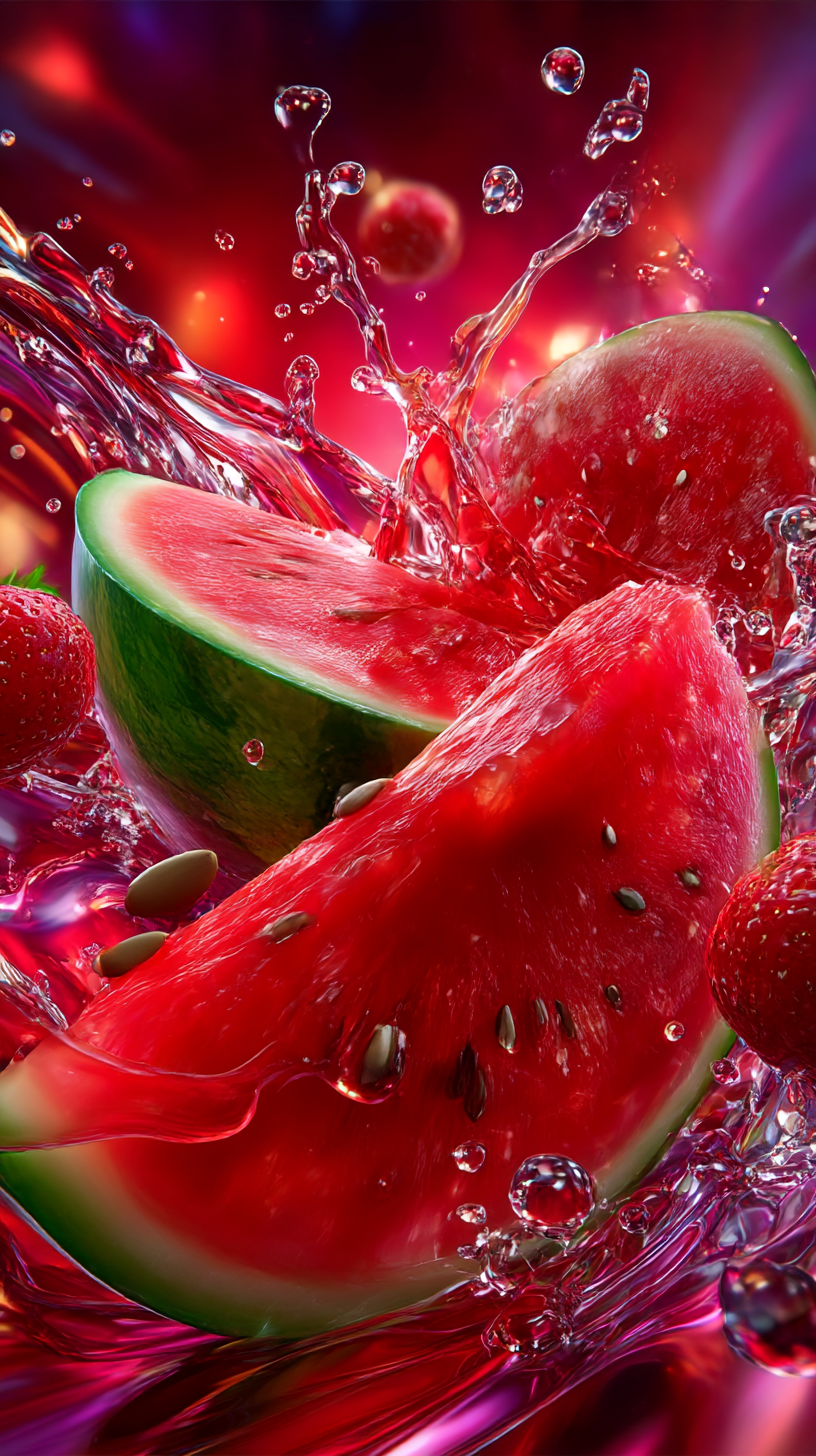
Batch 5 — 8d9774d9 ★ Selected
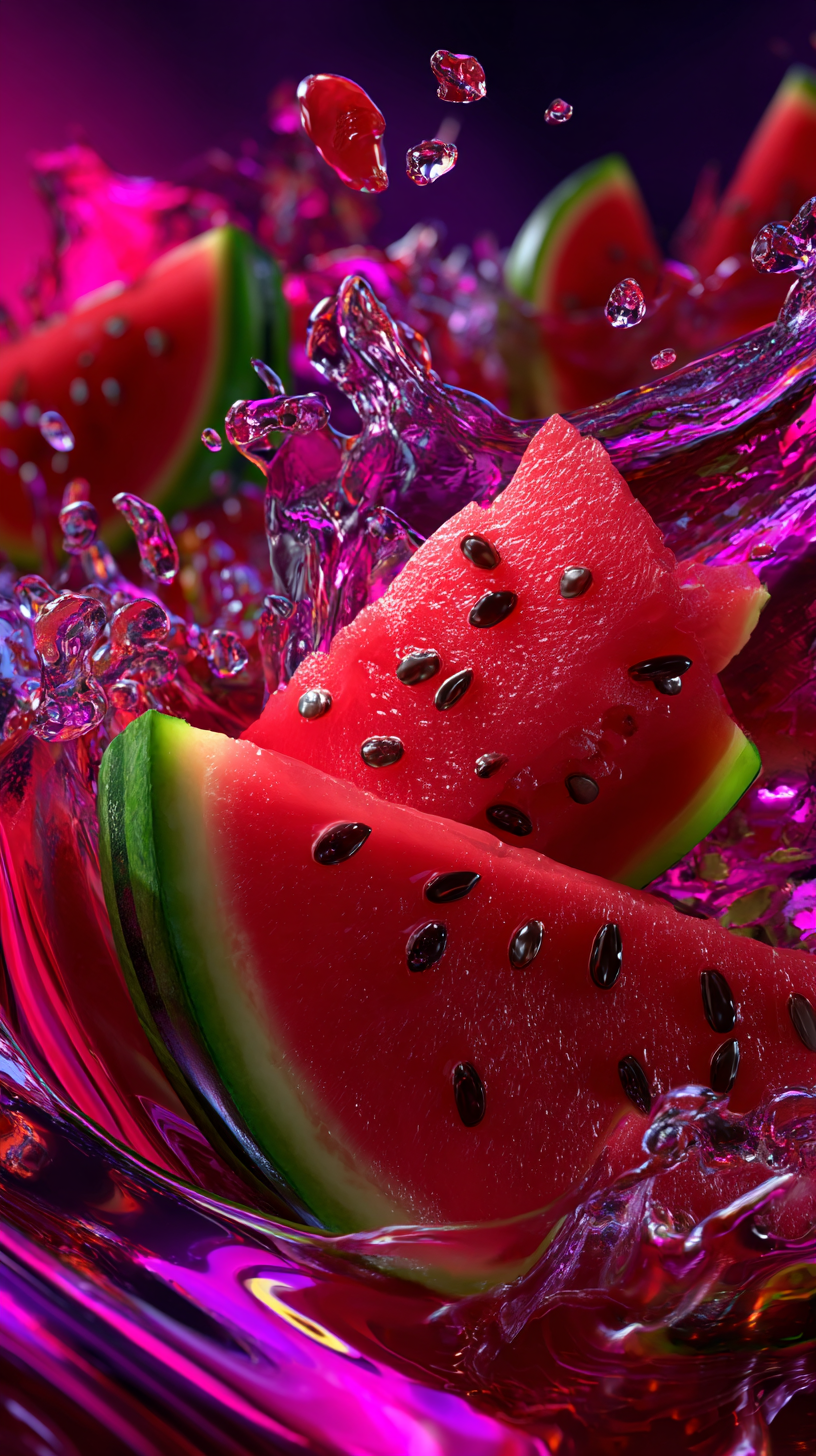
Selected as the best wallpaper from 36 candidates across 9 batches. This image achieves the most realistic liquid dynamics — the juice spray and droplet scatter feel genuinely photographic rather than rendered.
Multiple watermelon slices at different angles create the "burst apart" energy the prompt describes. The vibrant crimson-magenta palette with natural depth of field makes it ideal as an iPhone wallpaper.
- Watermelon slices clearly bursting apart in mid-air
- Crimson juice spraying outward in dynamic arcs
- Seeds visibly flying loose from the flesh
- Vibrant summer color palette (crimson, green, magenta)
- Centered composition suitable for phone wallpaper
- 4K-quality detail on fruit texture and liquid dynamics
- Dark gradient edges allow UI readability as wallpaper
Kawaii Mech Fashion Editorial
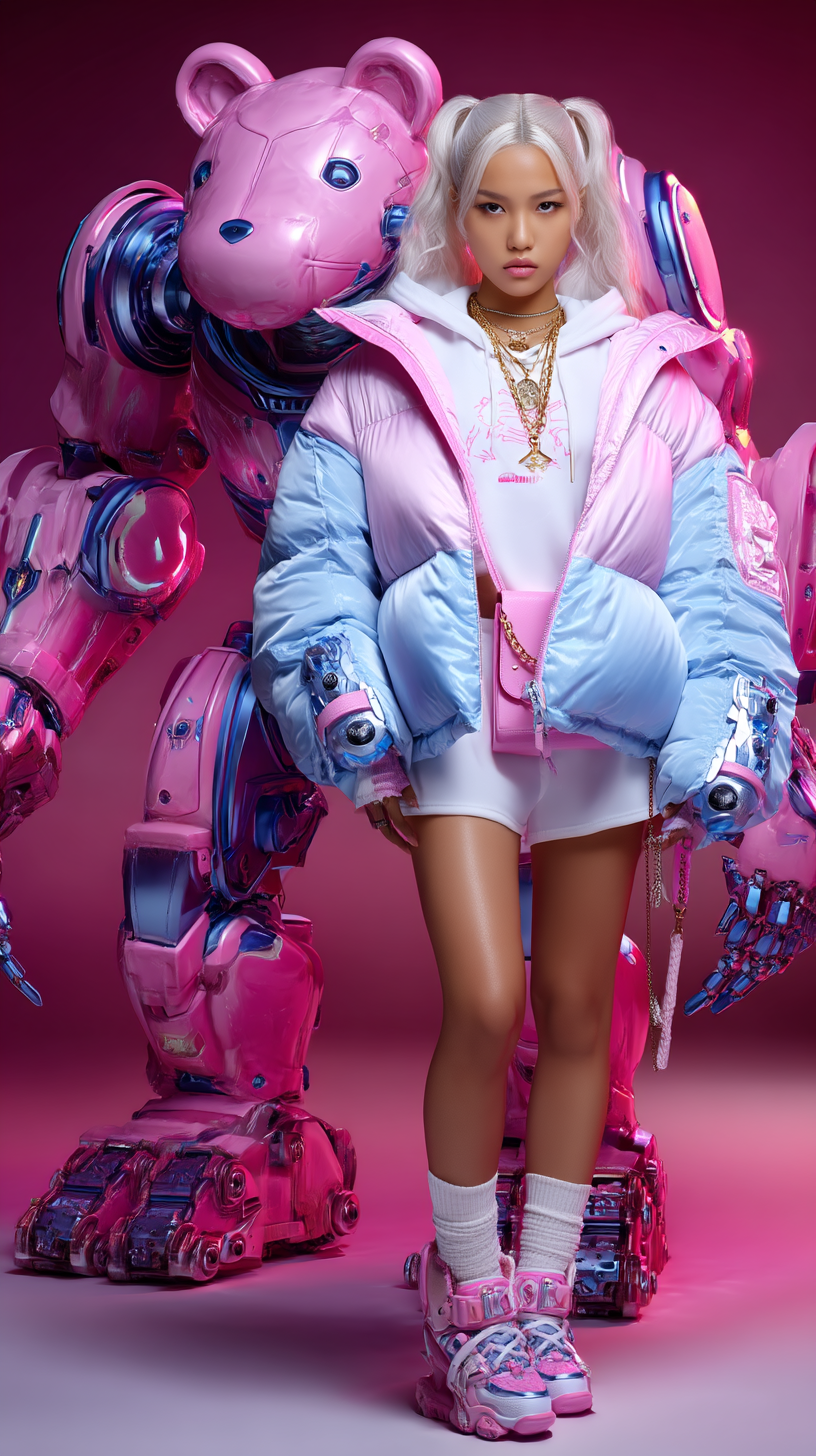
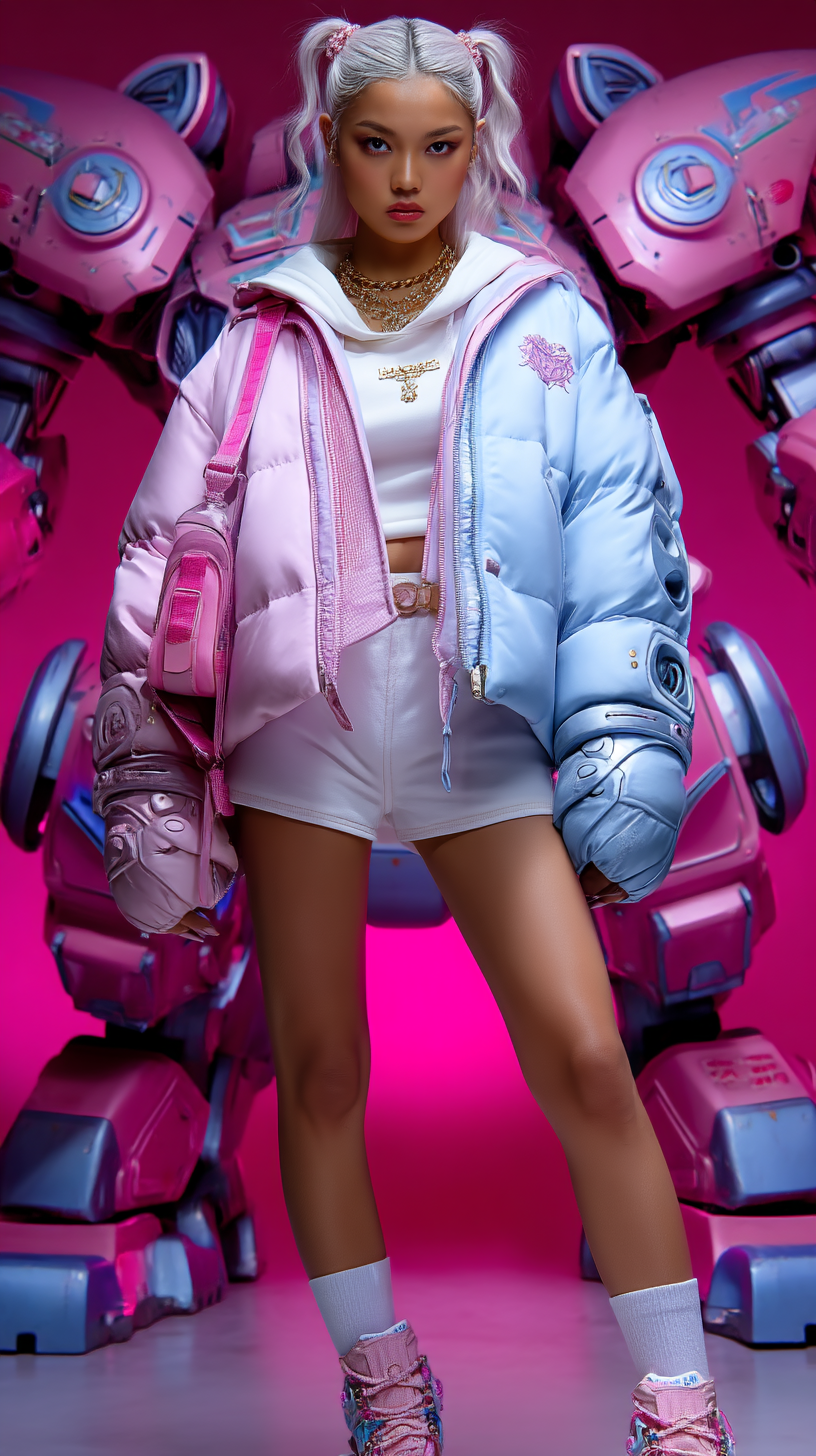
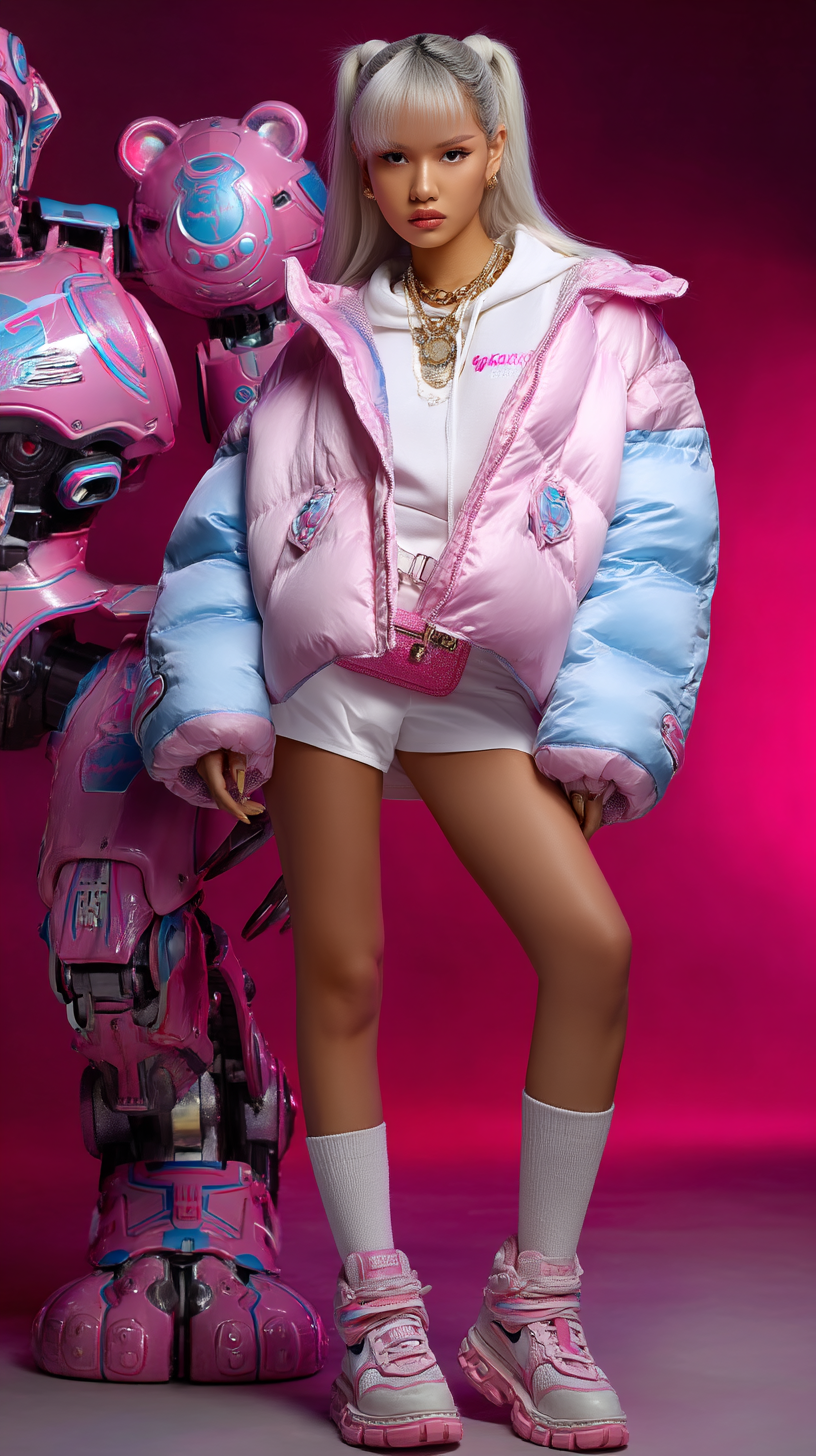
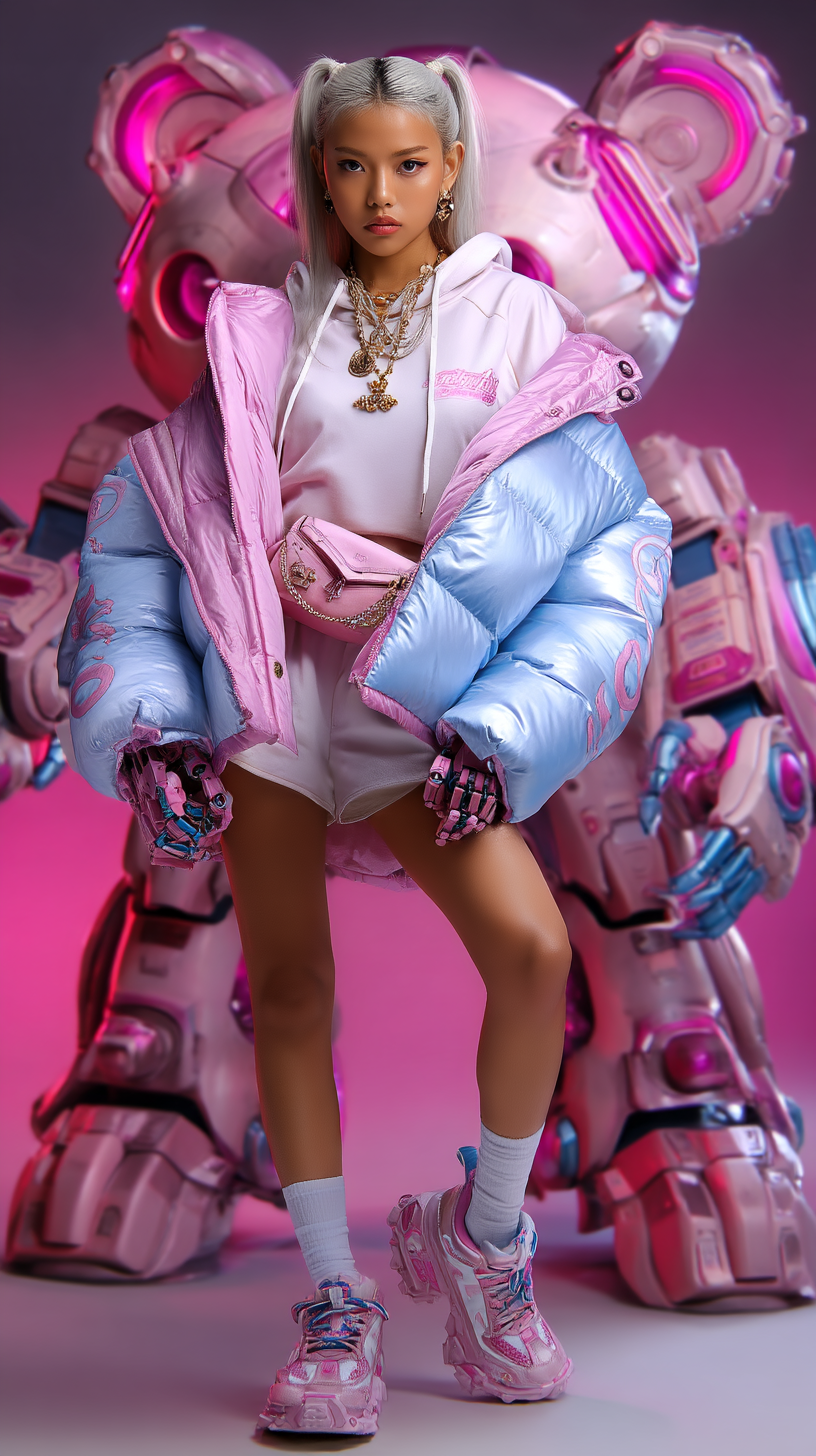
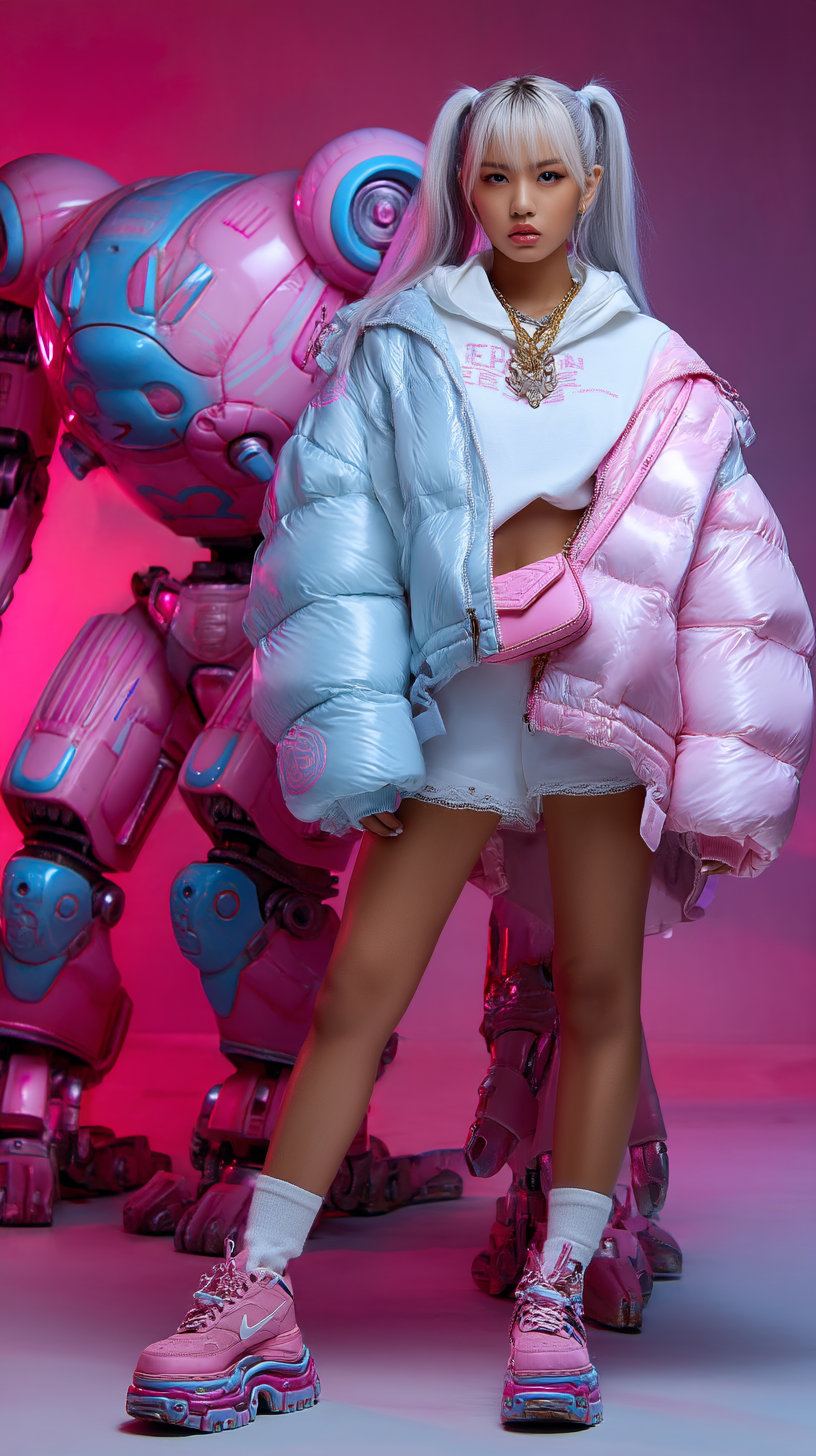
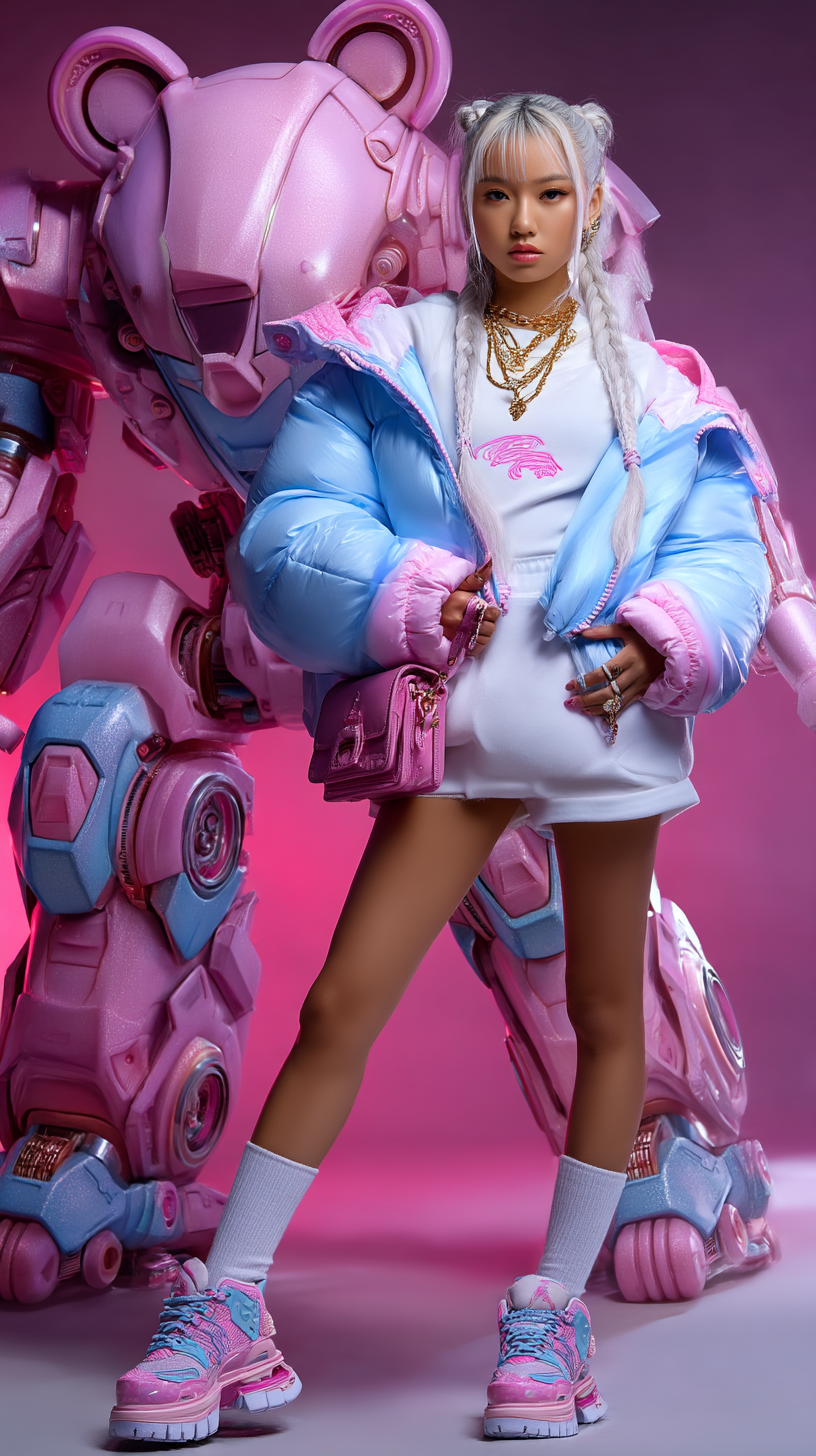
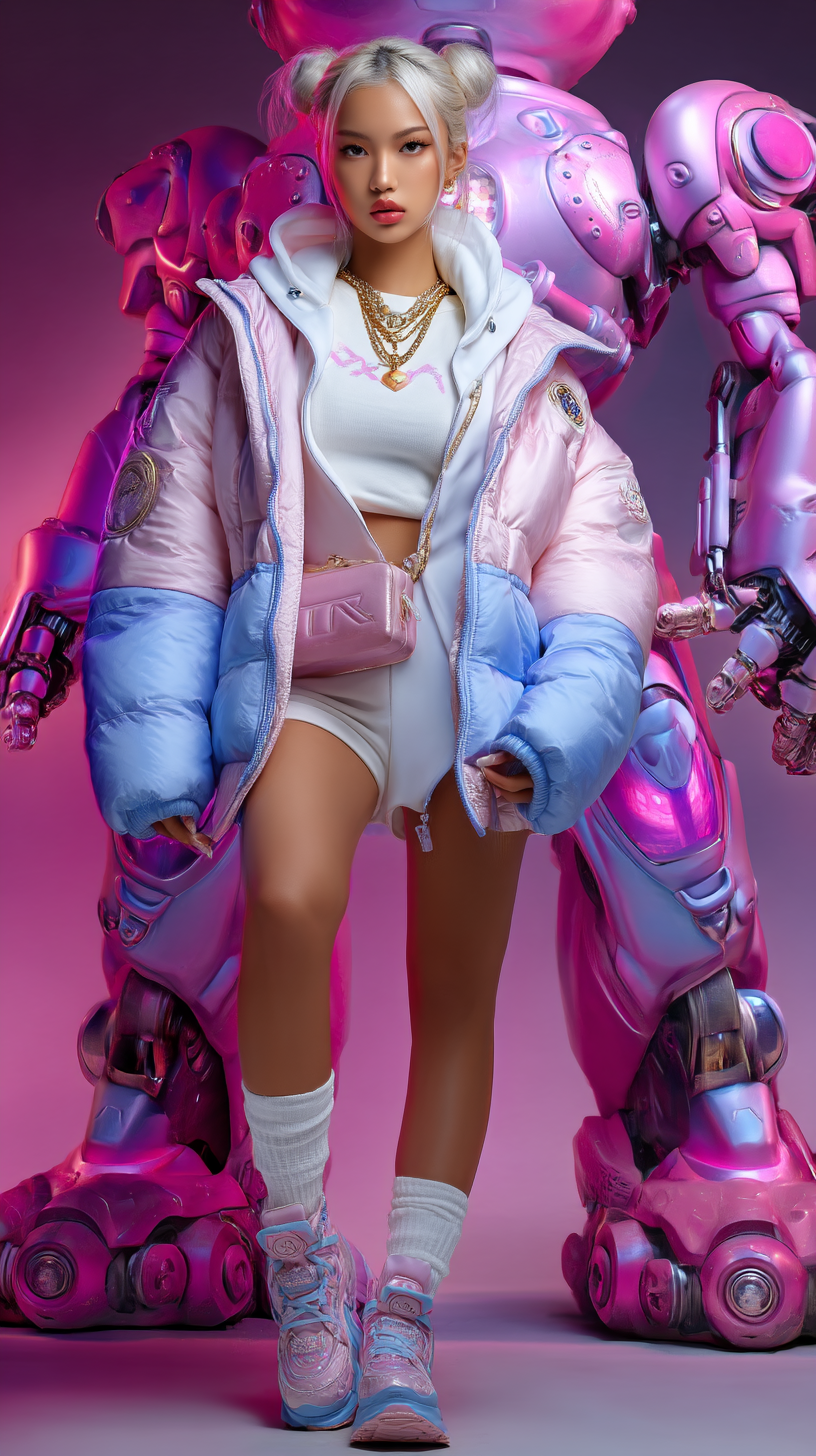
A complex multi-element prompt combining character design, fashion, and mech robotics. 10 batches (39 images). Representative outputs shown with assessment of prompt adherence.
Prompt
Winner: Batch 10
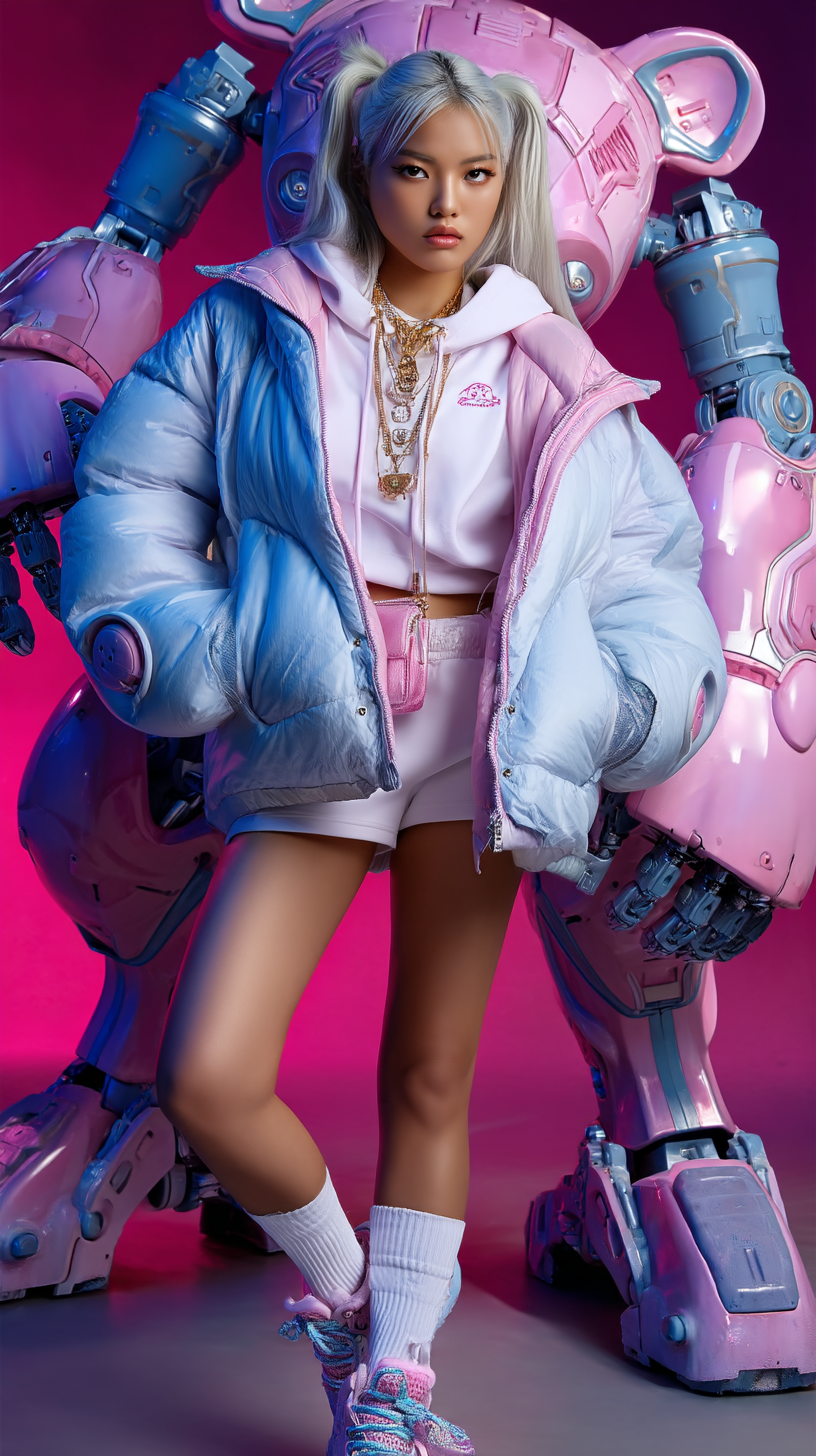
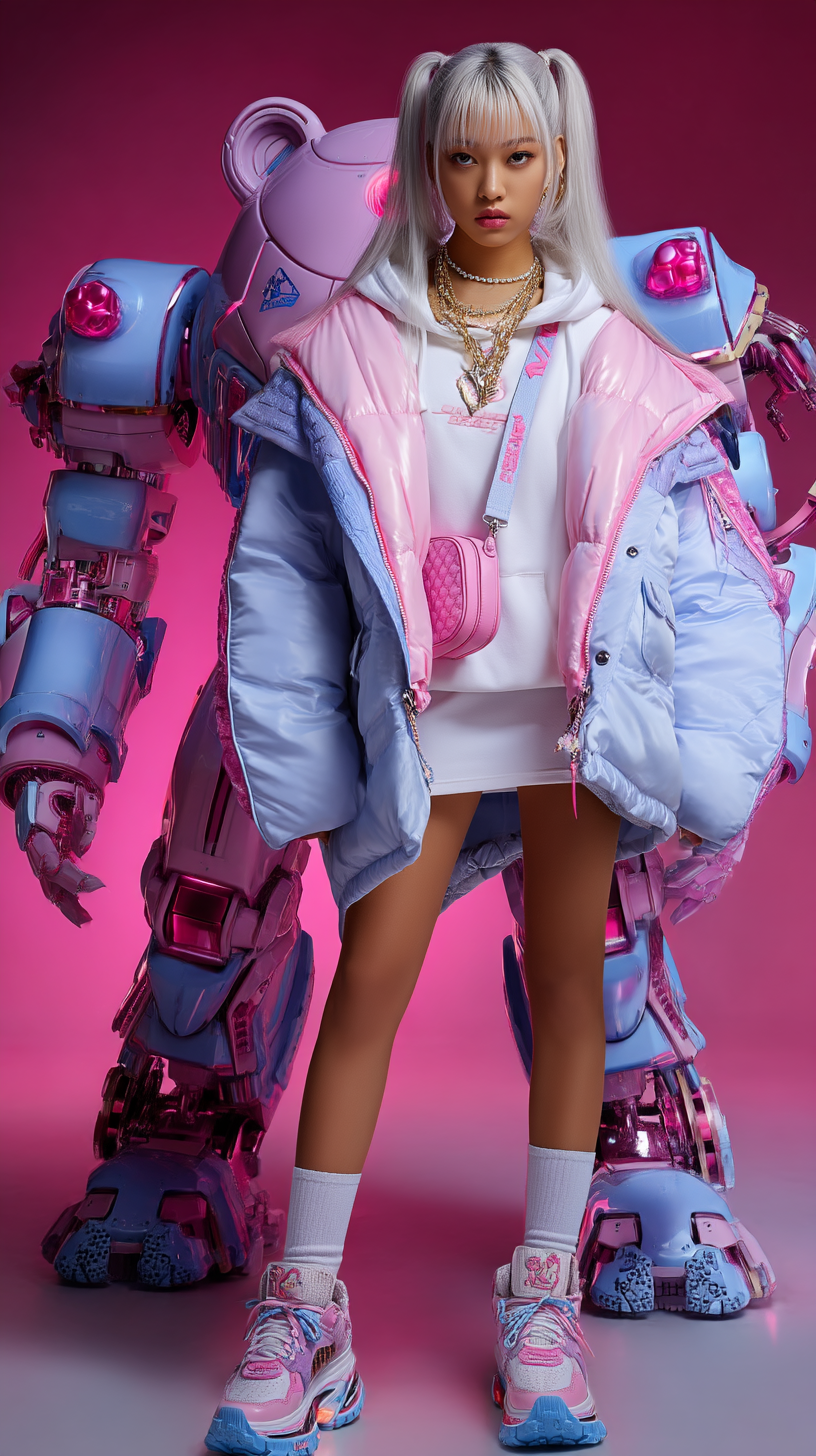
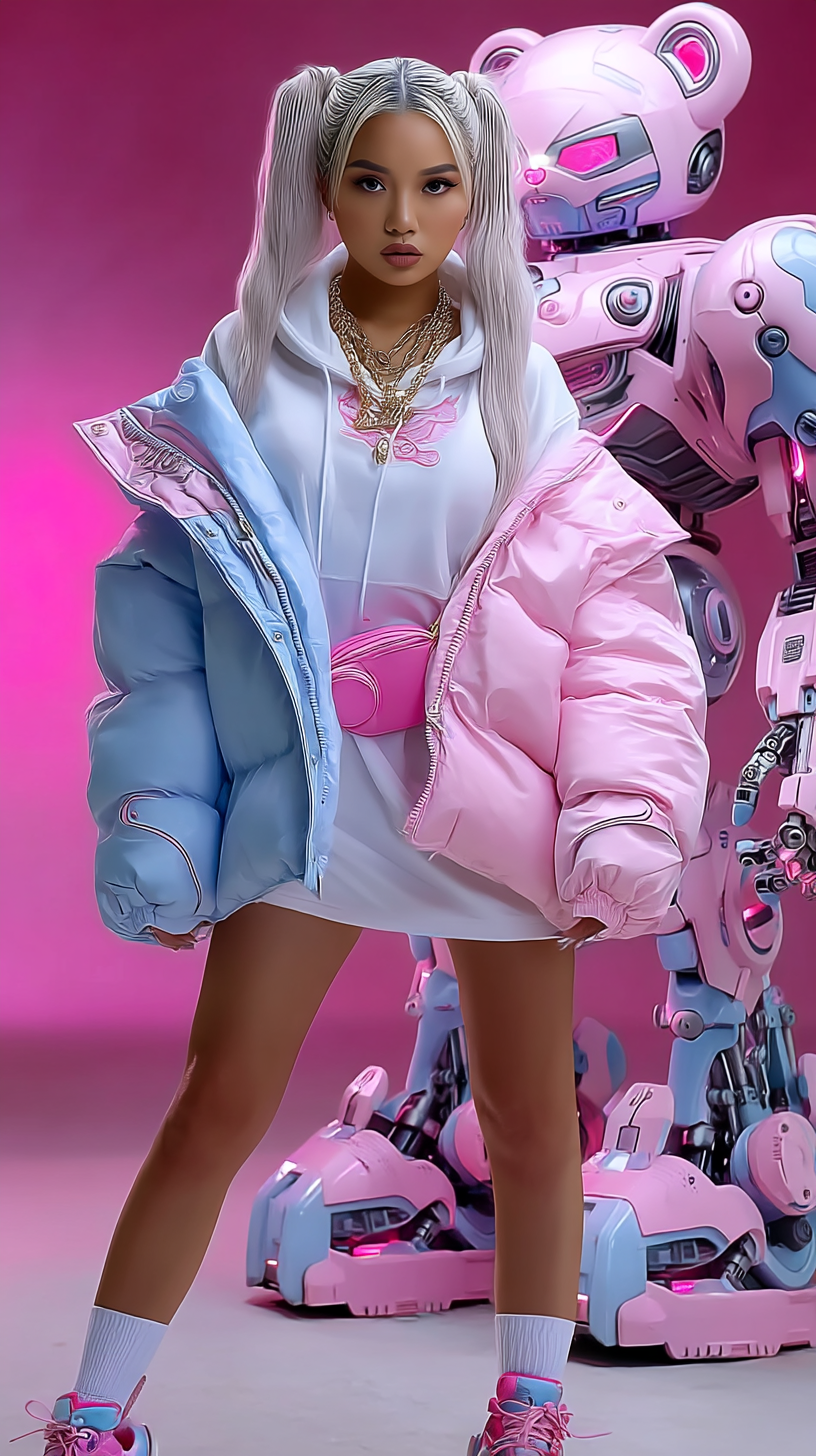
Batch 10 — 8168ad00 ★ Selected
Selected as the best output from 39 candidates across 10 batches. This image was generated using --sref style reference to maintain cross-batch consistency, demonstrating advanced parameter usage. The result is the most polished editorial composition in the set.
Clean separation between model and mech allows both elements to read clearly. The bear head is recognizable, all outfit elements are present, and the overall framing achieves the high-fashion editorial look the prompt targets.
- Platinum white hair in high twin pigtails — accurate
- Pastel pink/blue bomber jacket with robotic details
- White hoodie, gold necklaces, crossbody bag visible
- Robotic teddy bear mech with recognizable bear head
- Clean model/mech separation for visual clarity
- --sref style reference used for cross-batch consistency
- Soft pink studio background with cinematic lighting
- Most polished high-fashion editorial feel
Hyper-Realistic Beach Close-Up — Sand Heart
A highly detailed photorealistic prompt with challenging anatomy (feet/toes) and a specific compositional element (sand heart on skin). 36 batches (142 images) — the largest generation run in this portfolio. Demonstrates systematic review of a high-volume batch with recurring failure modes.
Prompt
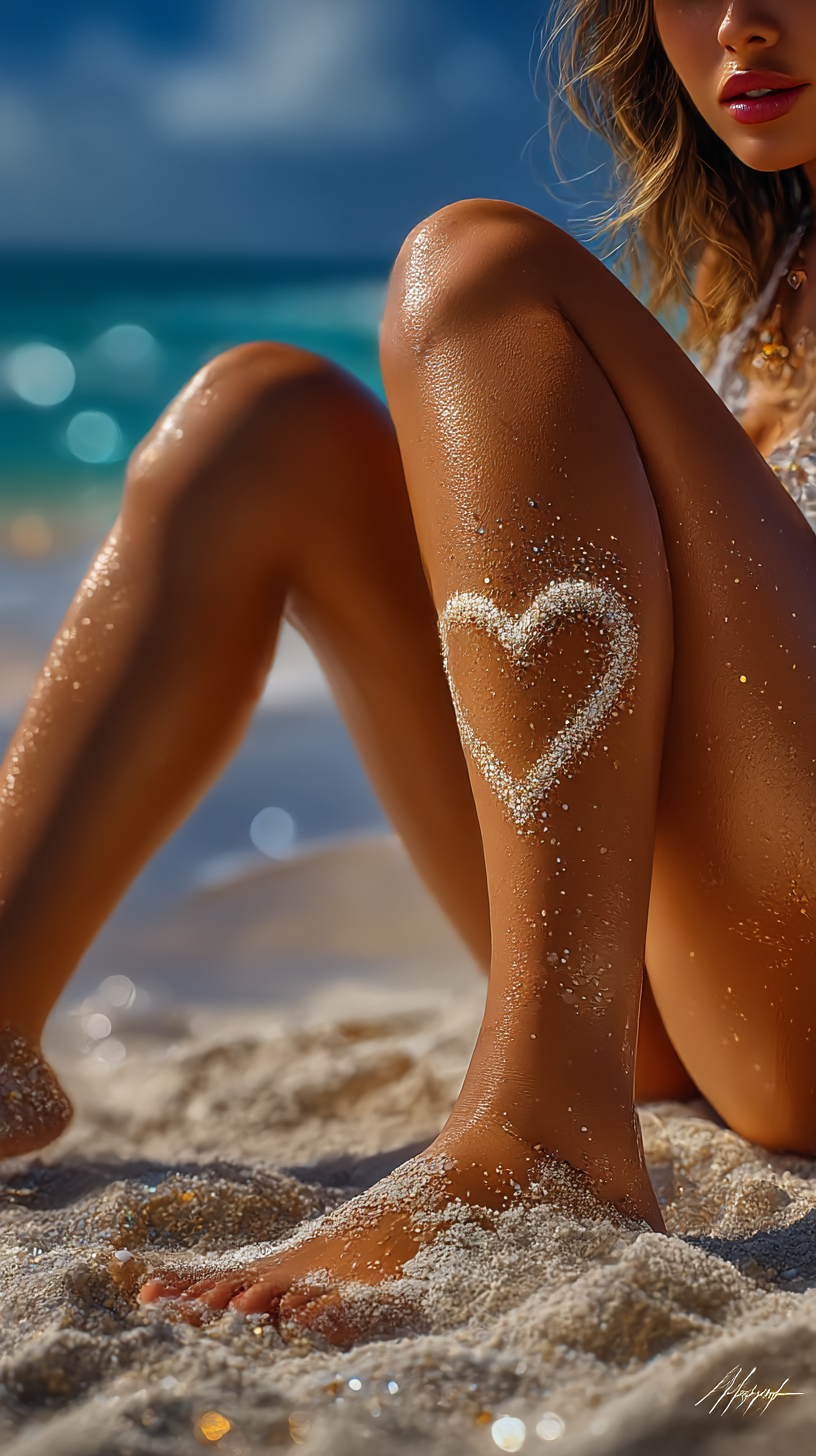

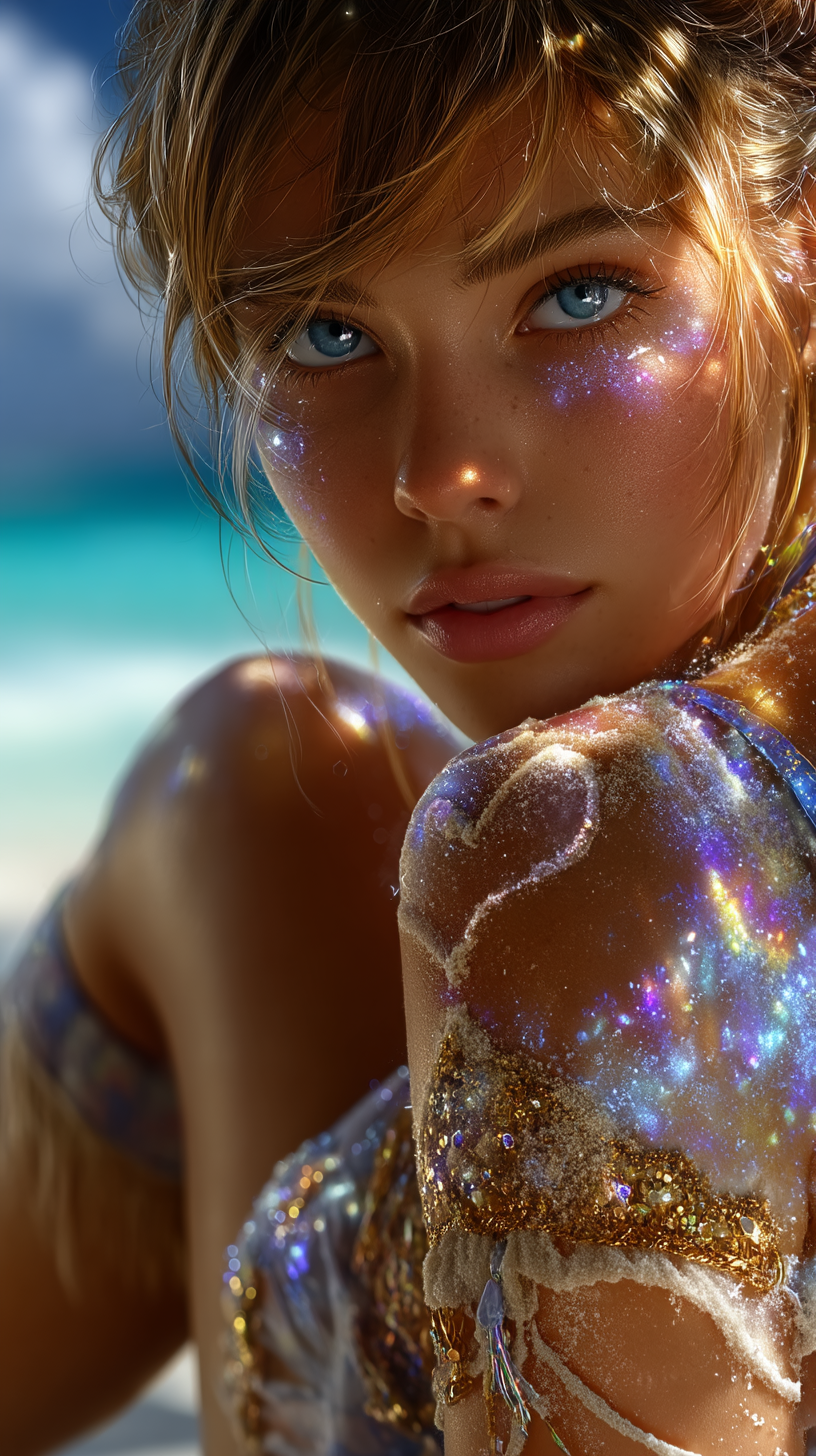
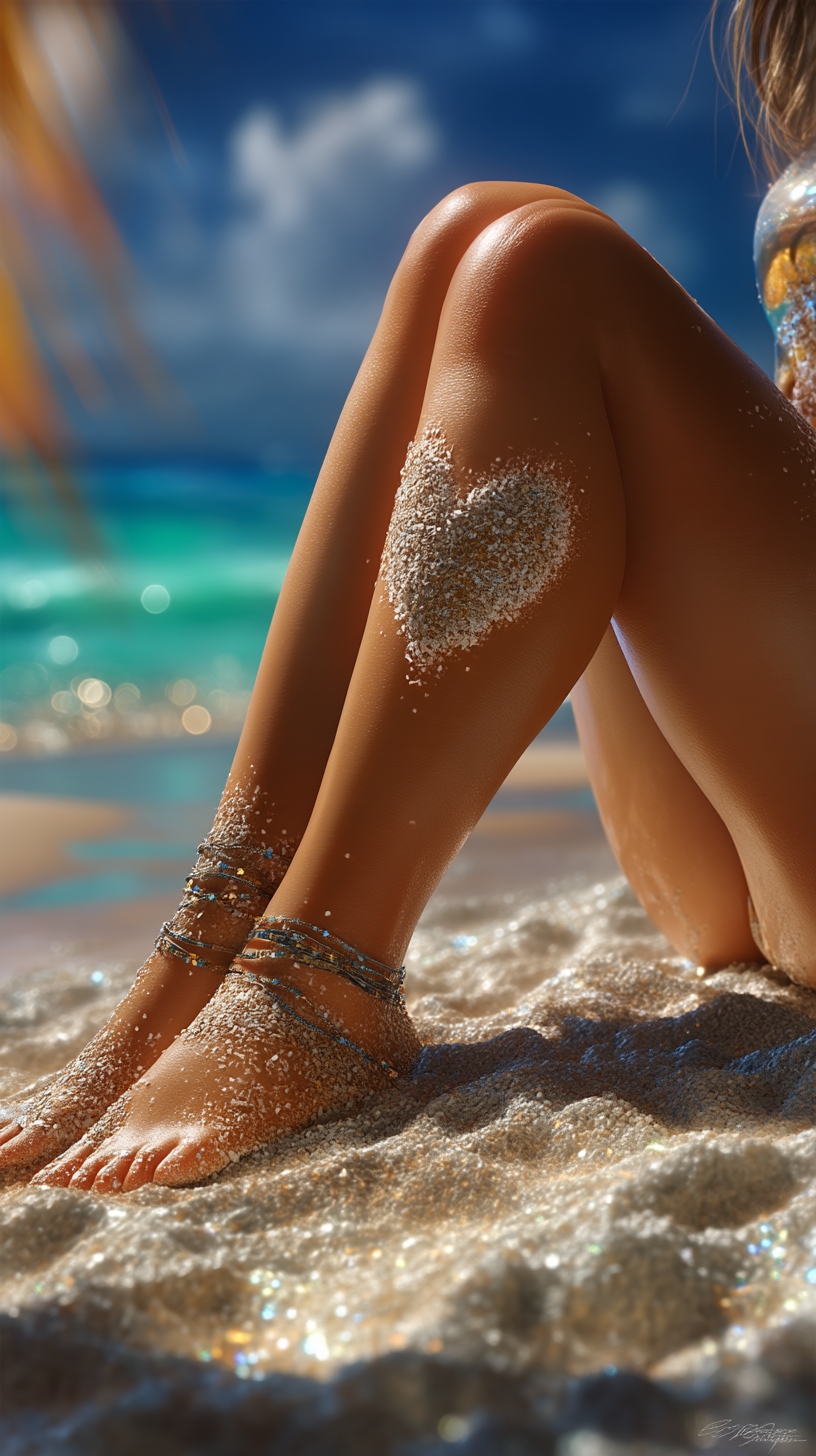
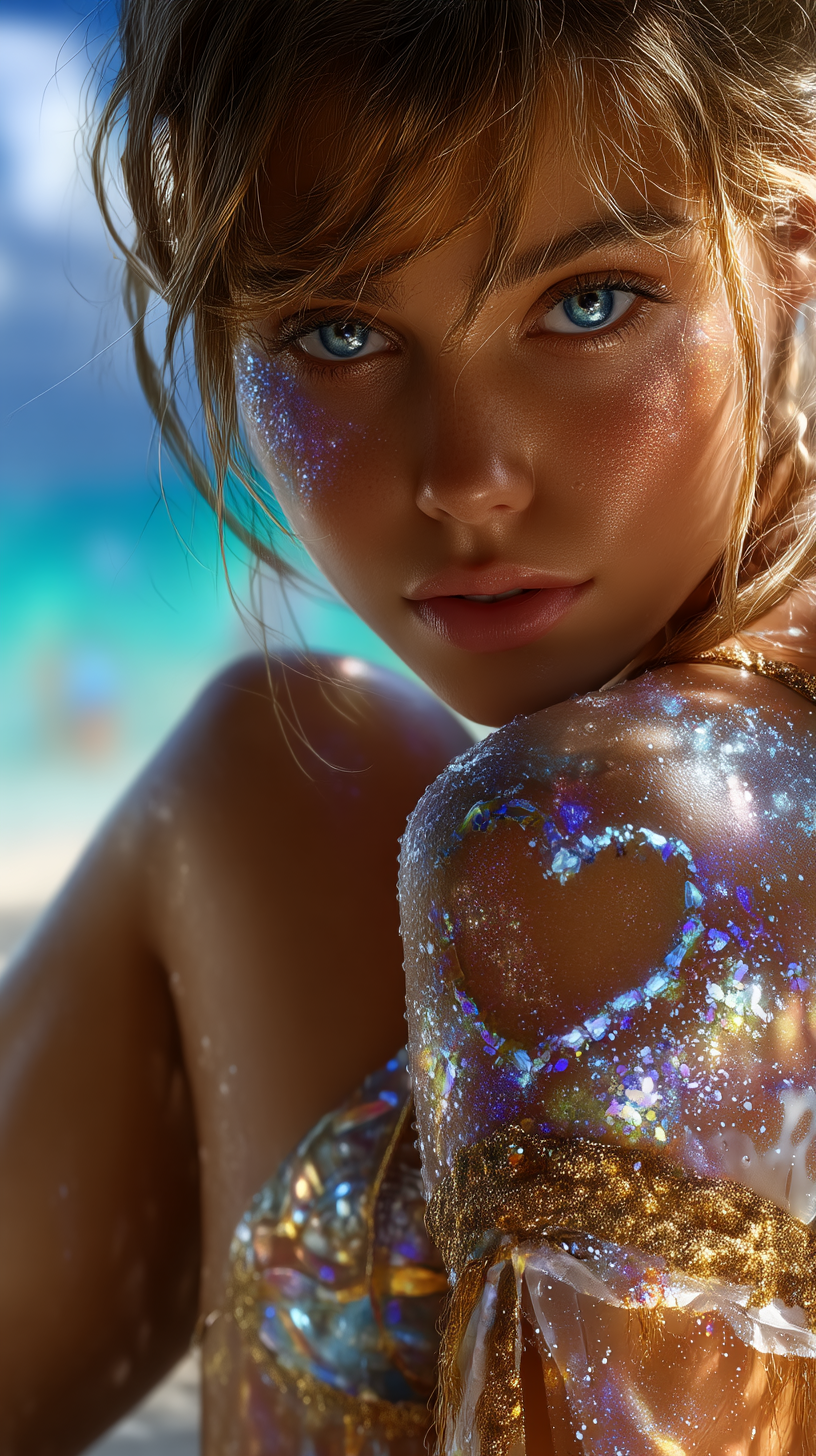
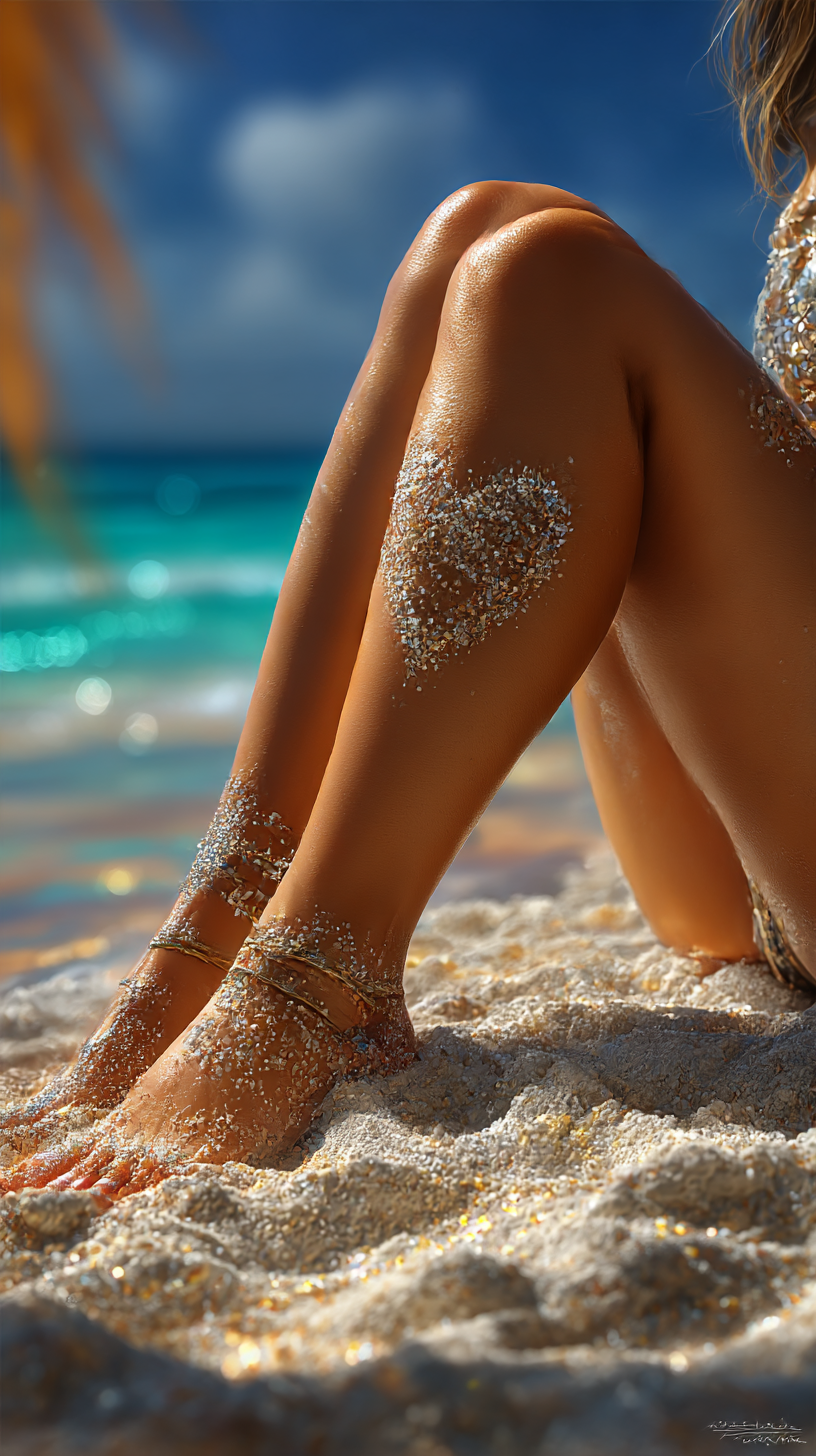
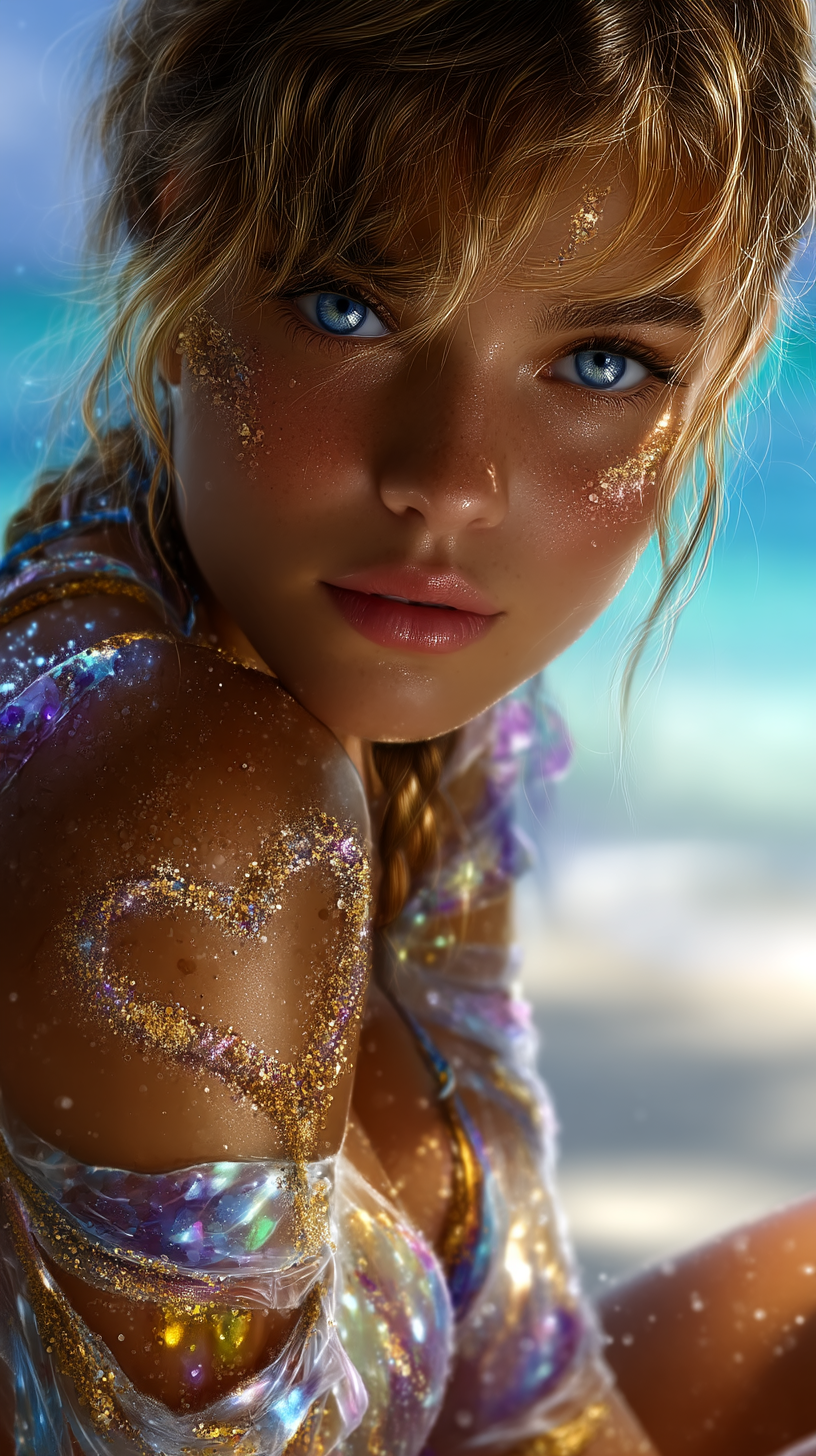


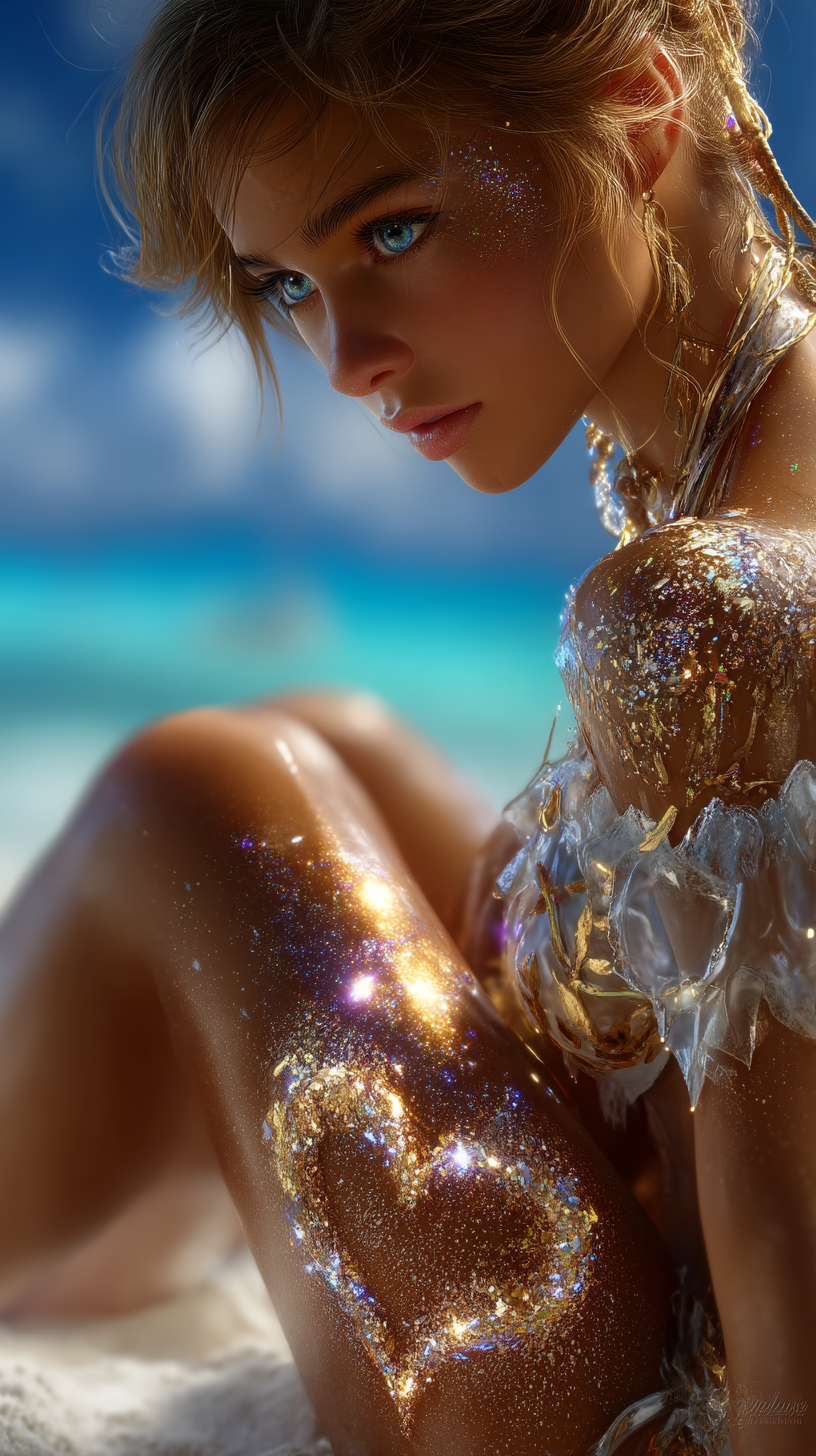
40% of batches generated wrong composition
ML Team Feedback
Winner: Batch 1
Batch 1 — 0de15020 ★ Selected
Selected as the best from 142 candidates across 36 batches. This image correctly interprets every compositional element: sand heart on skin, legs relaxed, feet with toes in sand, blurred ocean background.
The skin texture achieves genuine photorealism with visible pores and natural oil sheen. Critically, the foot anatomy is correct (five toes, natural proportions) — a common failure point in AI-generated images. The cinematic depth of field keeps the heart in sharp focus while softly blurring the background.
- Sand heart clearly formed on skin (knee/thigh)
- Natural leg positioning with one knee bent
- Correct foot/toe anatomy (5 toes, natural proportions)
- Hyper-realistic skin texture with pores and oil sheen
- Cinematic depth of field — heart sharp, background blurred
- Warm tan/gold/blue color palette as specified
- Ocean waves and bright sky visible in blurred background
- Reads as genuine photograph, not AI-generated